

>
Analytics>
Analytical Note on the Effectiveness of Managing Seized Assets Transferred for Management via the Prozorro Platform and Pursuant to Orders of the Cabinet of Ministers of UkraineAnalytical Note on the Effectiveness of Managing Seized Assets Transferred for Management via the Prozorro Platform and Pursuant to Orders of the Cabinet of Ministers of Ukraine
This publication was prepared within the project on monitoring the activities of the National Agency of Ukraine for Finding, Tracing and Management of Assets Derived from Corruption and Other Crimes (ARMA). The Institute of Legislative Ideas focuses on the practical aspects of transferring seized assets into management, including for their subsequent sale. The analysis covers the types of assets transferred into management, typical problems arising at different stages of this process, and systemic factors that prevent effective management. Based on the monitoring results, proposals have been developed to improve the relevant procedures and regulatory framework.


Analytics content

Introduction

Management of seized assets transferred to ARMA is a tool for preserving the economic value of property seized in criminal proceedings. Under the law, such assets may be transferred into temporary management or sold. The issue of selling seized assets has already been addressed in a separate analytical brief. By contrast, the transfer of assets into management is carried out in two main ways. The first is through an open competitive selection of a manager via the Prozorro electronic system, a procedure that was amended in January 2026. The second is a special statutory procedure under which the manager is appointed on the basis of orders of the Cabinet of Ministers of Ukraine. This brief analyses both procedures as they operated before their reform.
In 2025, the practice of managing seized assets varied significantly both by asset type and by the results of their use. The analysis covers 41 management agreements: agreements active at the end of 2025, including those concluded in previous years. At the same time, the statistics do not include 6 agreements concluded in December 2025, as they objectively could not yet generate income. The analysed portfolio covers a wide range of property, from corporate rights in companies to real estate and vehicles.
The purpose of this brief is to systematise data on financial proceeds from the management of these assets in 2025 and to provide a qualitative assessment of how effectively managers fulfilled their obligations.
Analysis Section
I. Typology of Seized Assets Transferred into Temporary Management
The assets transferred into management cover strategic sectors of the economy, large commercial real estate, and substantial volumes of movable property. Typologising these assets makes it possible to identify the key areas in which temporary management is carried out.
1. Corporate Rights and Industrial Complexes
This is the most capital-intensive category and includes shares in the charter capital of companies across different sectors.
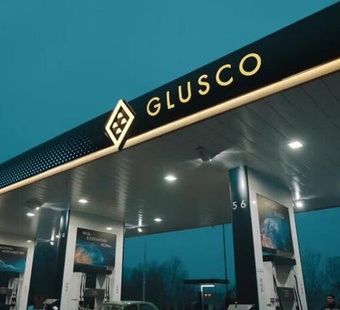
- Energy sector: corporate rights in LLC Glusco Retail, LLC Glusco Ukraine, PrJSC Production Company Ukrnaftoburinnia, LLC Sakhalinske, LLC Sirius-1, and LLC East Europe Petroleum.
- Industry: 100% of the corporate rights in LLC Lviv Insulator Company and LLC Ukrtranspnevmatyka, as well as property complexes such as the Ovruch Crushed Stone Plant.
- Logistics and agriculture: corporate rights in LLC VENTA.LTD and LLC Ukrainian Berry.
2. Real Estate (Commercial, Residential and Public-Purpose)
This category consists of properties in major Ukrainian cities: Kyiv, Poltava, and Ivano-Frankivsk.
- Office and retail-office centres: the FLAGMAN retail and office centre in Ivano-Frankivsk, as well as office centres in Poltava and Kyiv, including on Lobanovskoho Avenue, Khreshchatyk Street, and Konovaltsia Street.
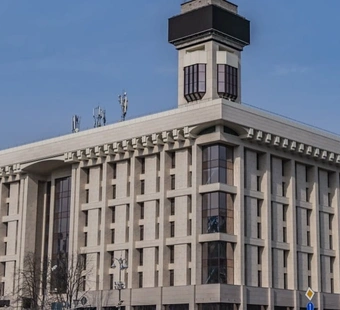
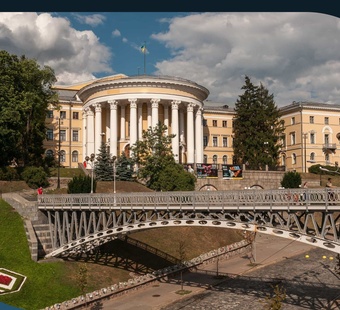
- Public-purpose facilities: the Trade Unions Building and the October Palace in Kyiv.
Residential real estate: apartments and parking spaces, in particular in Poltava and Kyiv.
3. Transport and Logistics Infrastructure
This segment includes large batches of movable property.
- Railway transport: more than 2,600 railway wagons of various types have been recorded, including tank cars and other units.
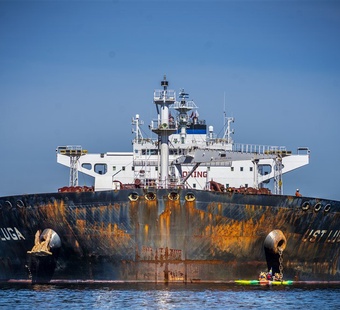
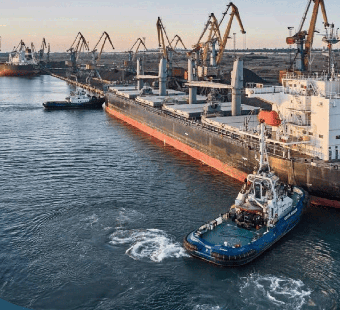
- Water transport: 10 vessels, including EMMAKRIS III and a group of 9 vessels.
- Road transport and infrastructure: a network of fuel station complexes and passenger cars, including HYUNDAI Ioniq 5 and TOYOTA Camry.
4. Recreational and Specialised Assets
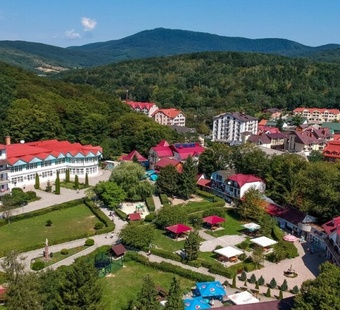
- Health-resort facilities: the Poliana and Sunny Zakarpattia sanatoriums, the Beskyd recreation centre, and the Vedmezha Dibrova sports, residential and wellness complex.
- Specialised property: television channel equipment (671 units) and poultry-farming equipment.
The typology of assets shows that ARMA mostly transfers complex assets into management, requiring specialised sectoral expertise, particularly in energy, railway logistics, and the hotel business. This makes it possible to scale up budget revenues within individual agreements.
Most assets are located in areas remote from active hostilities, which increases their investment attractiveness for managers.
At the same time, transport assets, especially vessels and wagons, are more often accompanied by management difficulties or contract termination, while real estate and corporate rights demonstrate significantly more stable management results. This is discussed in more detail later in the brief.
II. General Quantitative and Financial Indicators of Management Efficiency
1.Total Number of Agreements
As of the end of 2025, 45 management agreements had been concluded through the Prozorro platform. This represents the majority of assets, including commercial real estate, vehicles and rolling stock (wagons and vessels), and recreational facilities.
The analysis also covers 6 agreements concluded under the special procedure by orders of the Cabinet of Ministers of Ukraine.
These include strategic energy assets, such as the Glusco fuel station complex assets and shares in the charter capital of PrJSC Production Company Ukrnaftoburinnia and LLC Sirius-1 transferred to PJSC UKRNAFTA, as well as the corporate rights of Lviv Insulator Company transferred to NPC Ukrenergo.
Accordingly, the total number is 51 agreements.
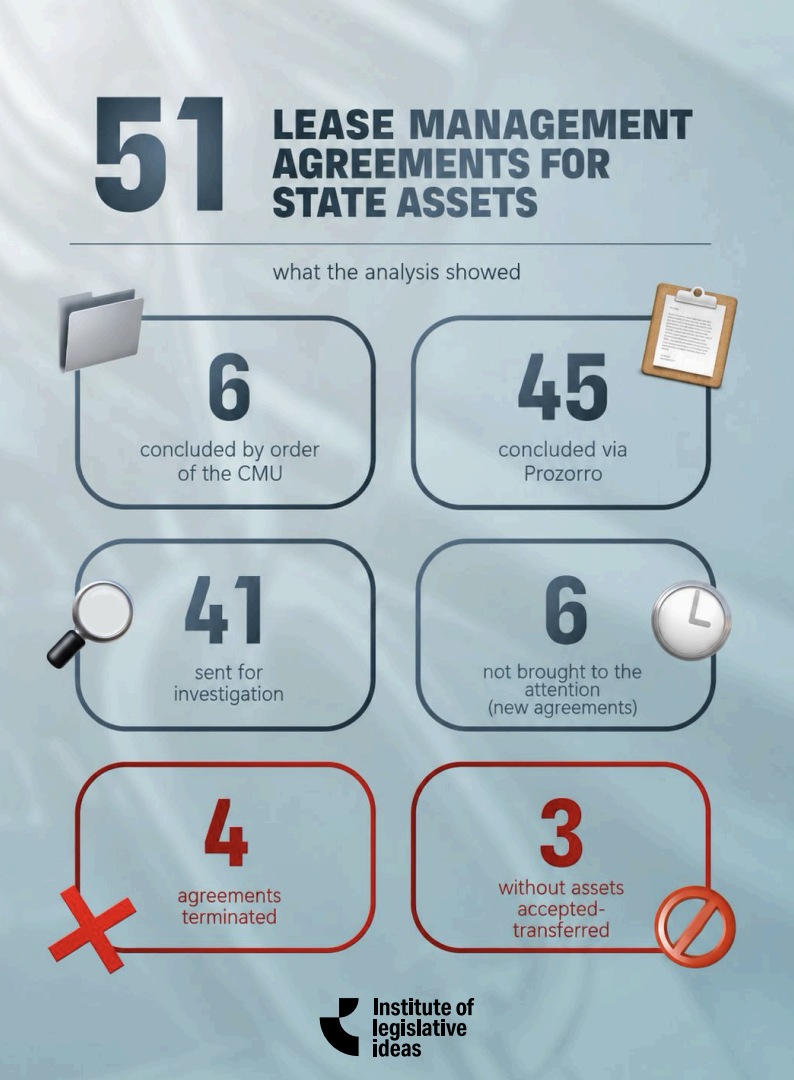
It is important to note that the termination of a management agreement is not always reflected on the Prozorro platform. In the case of 100 railway freight wagons, the agreement with the Priority Management Company Consortium was terminated because the seizure of those assets had been lifted. In the case of three diesel locomotives, termination was caused by circumstances that prevented and/or made it impossible for the manager to properly fulfil its contractual obligations. For the other two cases (434 railway wagons and real estate in Lviv), the data were not published on the platform and were obtained only through a public information request to ARMA.
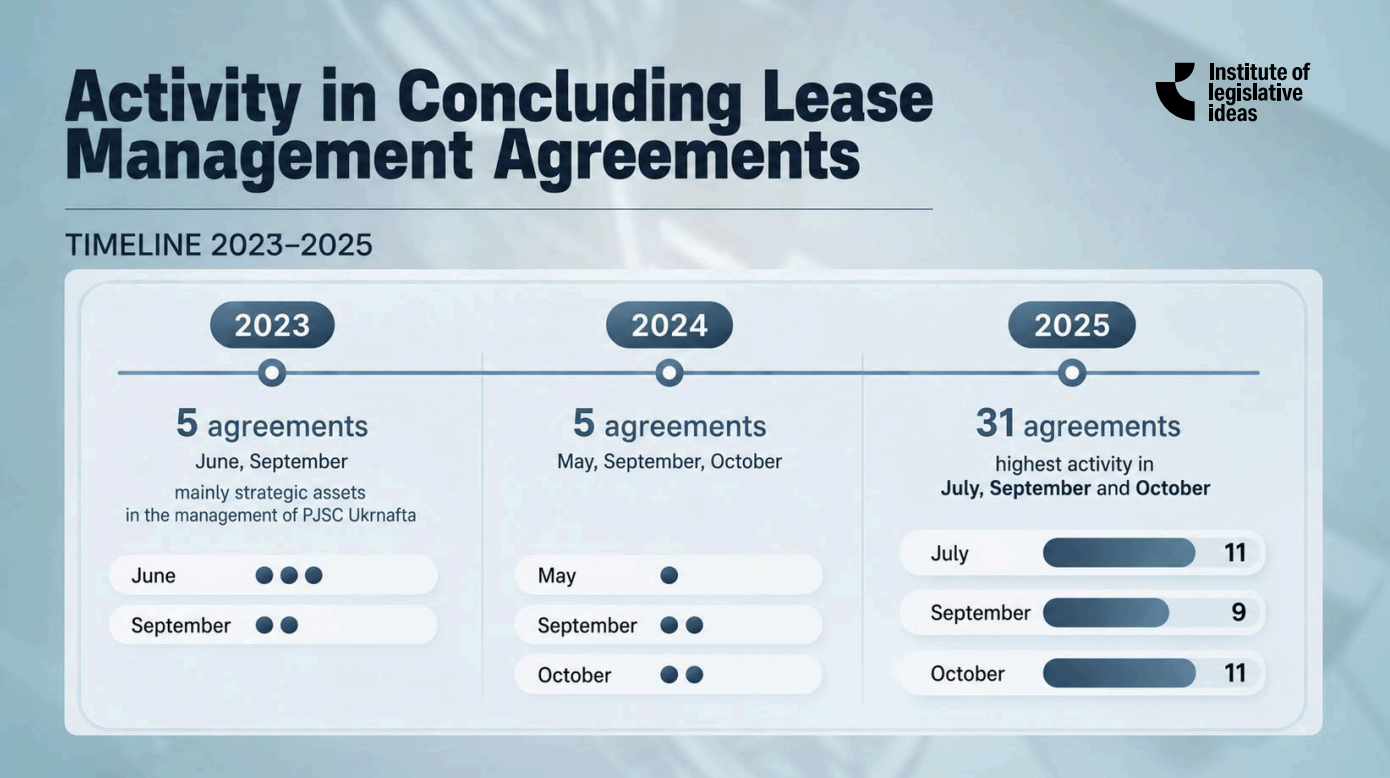
Analysis of asset transfer timelines, taking into account the period from the date of signing the agreement to the date of signing the asset acceptance-transfer acts:
- The average period between signing the agreement and signing the acceptance-transfer act (median) is 27 days.
- The shortest period was 0 days, (where the act was signed on the same day as the agreement in the case of Lviv Insulator Company, and 1 day in the case of the October Palace).
- The longest period was 409 days, or 1 year, 1 month and 13 days, (for premises at 18 Pavlivska Street, where the agreement was concluded in May 2024 and the act was signed in July 2025).
- Not transferred under acceptance-transfer acts: in 3 cases, the assets are not actually under management due to the absence of signed acceptance-transfer acts. These concern premises on Konovaltsia Street, premises on Velyka Vasylkivska Street, and the corporate rights of LLC VENTA.LTD.
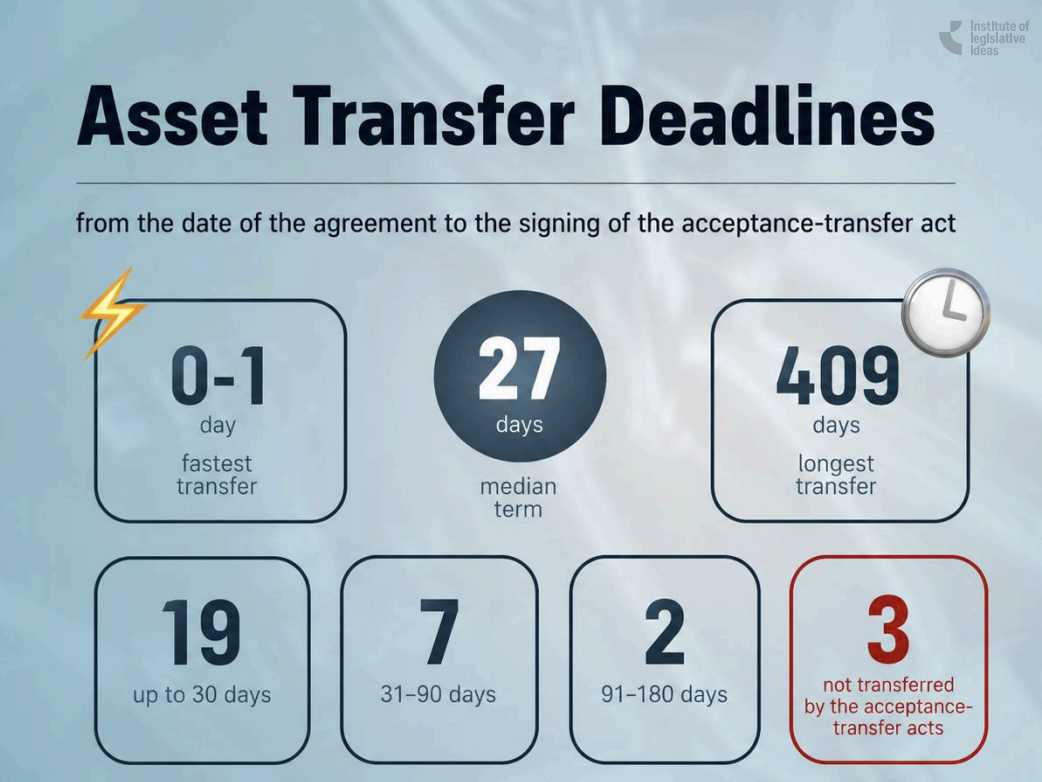
Based on the analysed data, the asset transfer process is characterised by substantial variation in timelines, ranging from the signing of acceptance-transfer acts on the same day as the agreement to delays of more than one year. Although the median period is 27 days, significant deviations indicate the absence of a unified approach and adequate control over the timely execution of acceptance-transfer acts. Individual cases in which the acts have not been signed at all create uncertainty about whether the assets are actually under management. Therefore, the timely signing of acceptance-transfer acts remains unregulated, and the timing of their execution remains unpredictable.
2.Total Amount of Budget Revenues
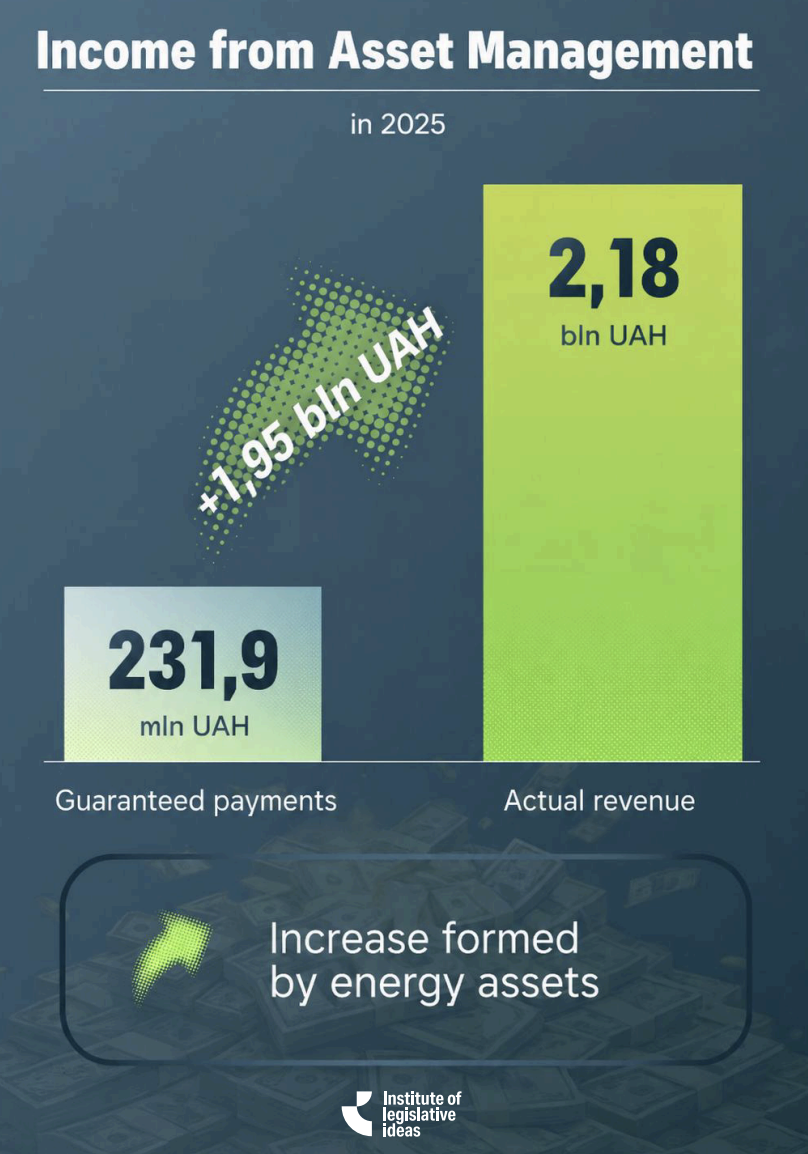
The total amount transferred to the State Budget of Ukraine during the 2025 reporting period was UAH 2,178,841,337.85.
At the same time, the estimated amount of guaranteed payments provided for under the concluded management agreements, assuming full payment, was UAH 231,929,527.13.
Actual receipts significantly exceeded this figure. The difference amounted to UAH 1,946,911,810.72, indicating a substantial additional financial effect.
This excess was formed mainly by energy-sector assets that generate income beyond the basic guaranteed obligations set out in the management agreements.
Most profitable assets (TOP 3):
- corporate rights and shares in the charter capital of PrJSC Production Company Ukrnaftoburinnia - UAH 1,822,316,727.25 (manager: PJSC UKRNAFTA);
- the Glusco fuel station network and related assets - UAH 257,775,575.43 (manager: PJSC UKRNAFTA);
- corporate rights and shares in the charter capital of LLC Sakhalinske - UAH 56,849,666.19 (manager: PJSC UKRNAFTA);
Least profitable assets, excluding zero-income assets and cases where the amount transferred to the State Budget of Ukraine exceeded the total guaranteed payments for all months of management:
- office centre and land plot in Poltava, 12 Hoholia Street - UAH 289,995.96, which is UAH 145,454.08 below the guaranteed payment amount (manager: LLC VOYAGER PLUS);
- real estate and movable property, land plots of the Vedmezha Dibrova sports, residential and wellness complex - UAH 440,002.50, which is UAH 77,647.50 below the guaranteed payment amount (manager: LLC AVGM-GROUP);
- non-residential premises in Kyiv, 27-B Khreshchatyk Street - UAH 459,591.75, which is UAH 30,639.45 below the guaranteed payment amount (manager: LLC ENVIL).
It should be noted that in only 6 out of 41 cases, excluding zero-income assets, the amount transferred to the State Budget of Ukraine did not exceed the total amount of guaranteed payments for all months of management. The total amount of unpaid funds is UAH 3,012,169.12.
Share of assets with zero profitability:
In 12 cases, almost 30% of the total, budget receipts amounted to UAH 0.00. The reasons for zero efficiency include:
- the absence of actual transfer of property under acceptance-transfer acts (3 cases);
- improper management that led to the termination of agreements, including marine vessels transferred to the manager PE MARINEX;
- lack of physical access to the assets, particularly railway wagons;
- a prolonged preparation process before operation, including some properties in Poltava.
If all guaranteed payments under zero-profitability agreements with signed acceptance-transfer acts had been made, the State Budget of Ukraine would have received an additional UAH 47,002,085.33.
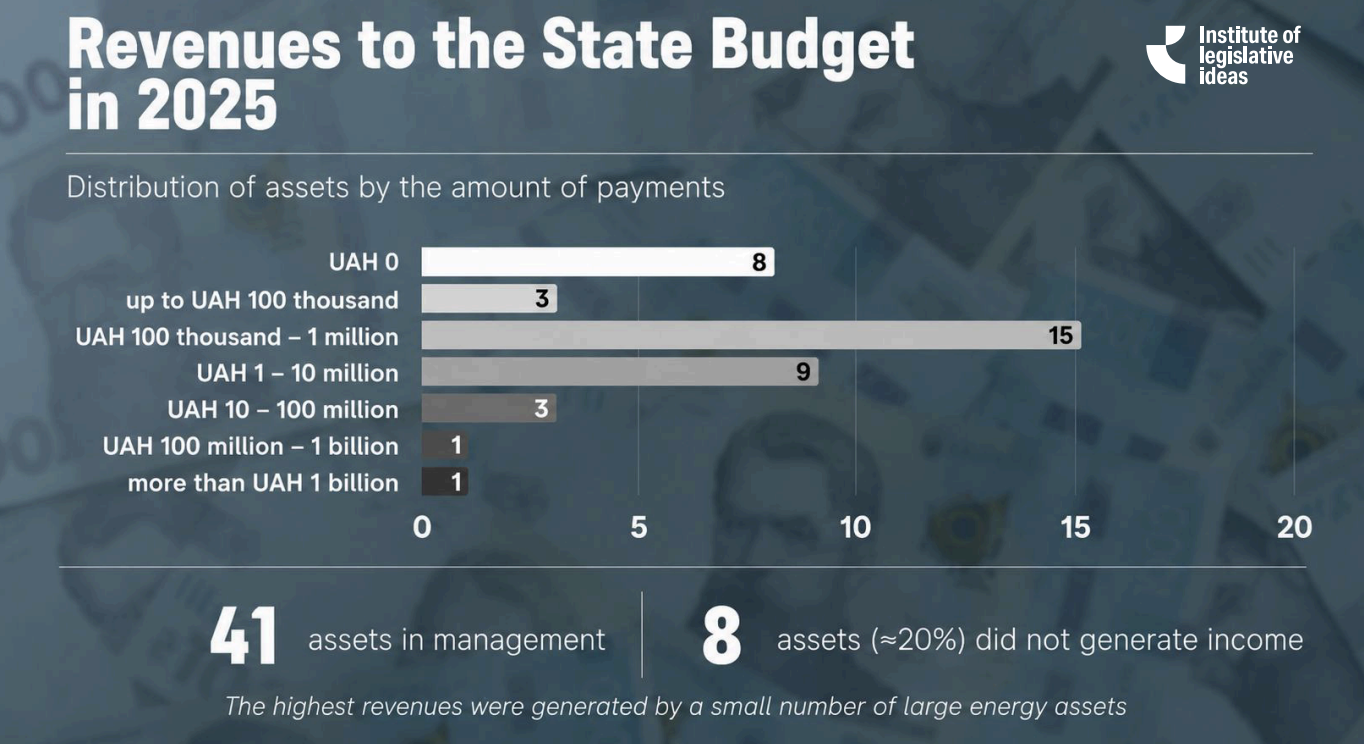
The financial stability of the management system in 2025 was ensured by a limited number of large assets, with slightly more than 98% of revenues generated by one manager, PJSC Ukrnafta. Almost every fourth asset operates with zero efficiency, which indicates the need to accelerate property transfer procedures and strengthen sanctions for accumulated arrears on guaranteed payments.
III. Qualitative Indicators of Management Efficiency
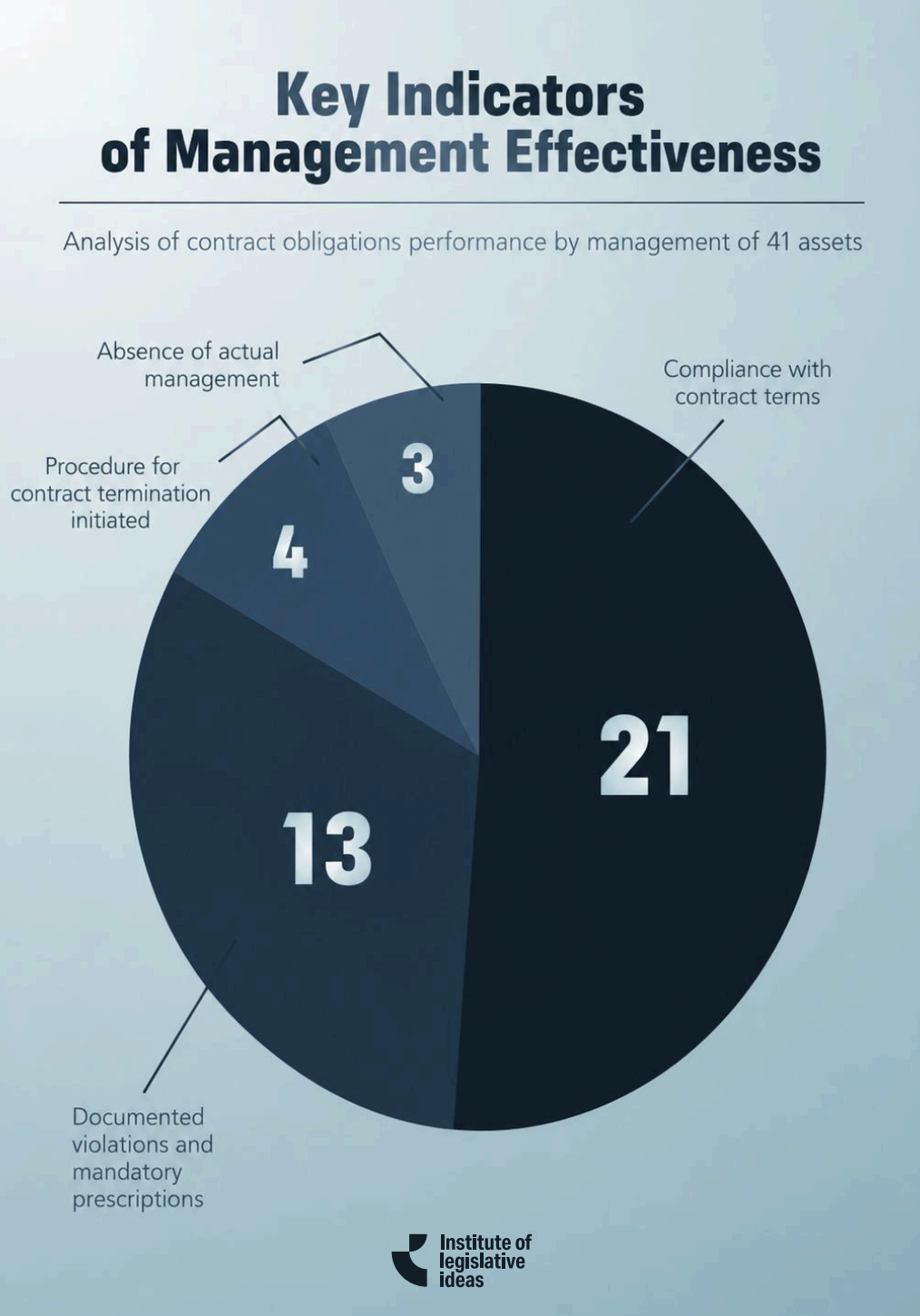
1. The analysis of 41 managed assets makes it possible to structure the state of managers’ contractual performance according to the following indicators:
- Compliance with contractual terms: in 21 cases, based on inspections, asset management was found to generally comply with the terms of the agreement. This group includes strategic assets, such as the Glusco fuel station complexes and the corporate rights of Ukrnaftoburinnia, real estate assets such as the October Palace and premises on Khreshchatyk, and recreational complexes such as Sunny Zakarpattia and Poliana.
- Recorded violations and mandatory instructions: in 13 cases, deviations from contractual terms were identified that required ARMA’s intervention. These included budget arrears, reporting violations, or failure to insure property, for example in the cases of the Ovruch Crushed Stone Plant, the Trade Unions Building, and assets in Poltava.
- Contract termination procedure initiated: for 4 agreements covering 13 assets, including 10 marine vessels, a decision was made to terminate the agreements early due to gross non-performance of essential terms for more than two months.
- Absence of actual management (not transferred under acceptance-transfer acts): in 3 cases, management did not begin because the acceptance-transfer acts had not been signed.
2. Critical Examples of Inefficiency and Problem Cases
- Initiation of termination due to improper management:
FLAGMAN shopping centre (Ivano-Frankivsk). Despite receipts of UAH 3.7 million, an on-site inspection in July 2025 recorded non-performance of essential contractual terms for more than two months, which became the basis for notice of early termination.
- Financial inefficiency and arrears:
Trade Unions Building (Kyiv). Despite significant receipts of more than UAH 10 million, systematic arrears in transferring income to the budget were recorded. The manager, the KAMparitet Management Company Consortium, received 3 instructions and 2 demands for immediate remediation of violations.
LLC Ukrainian Berry. A similar situation with arrears to the State Budget was accompanied by several ARMA instructions in July-August 2025.
- Problems with transfer and access to assets:
Railway wagons (141 units). The manager, the PRIORITY Management Company Consortium, reported lack of access to the assets, which made management impossible and resulted in zero receipts in 2025.
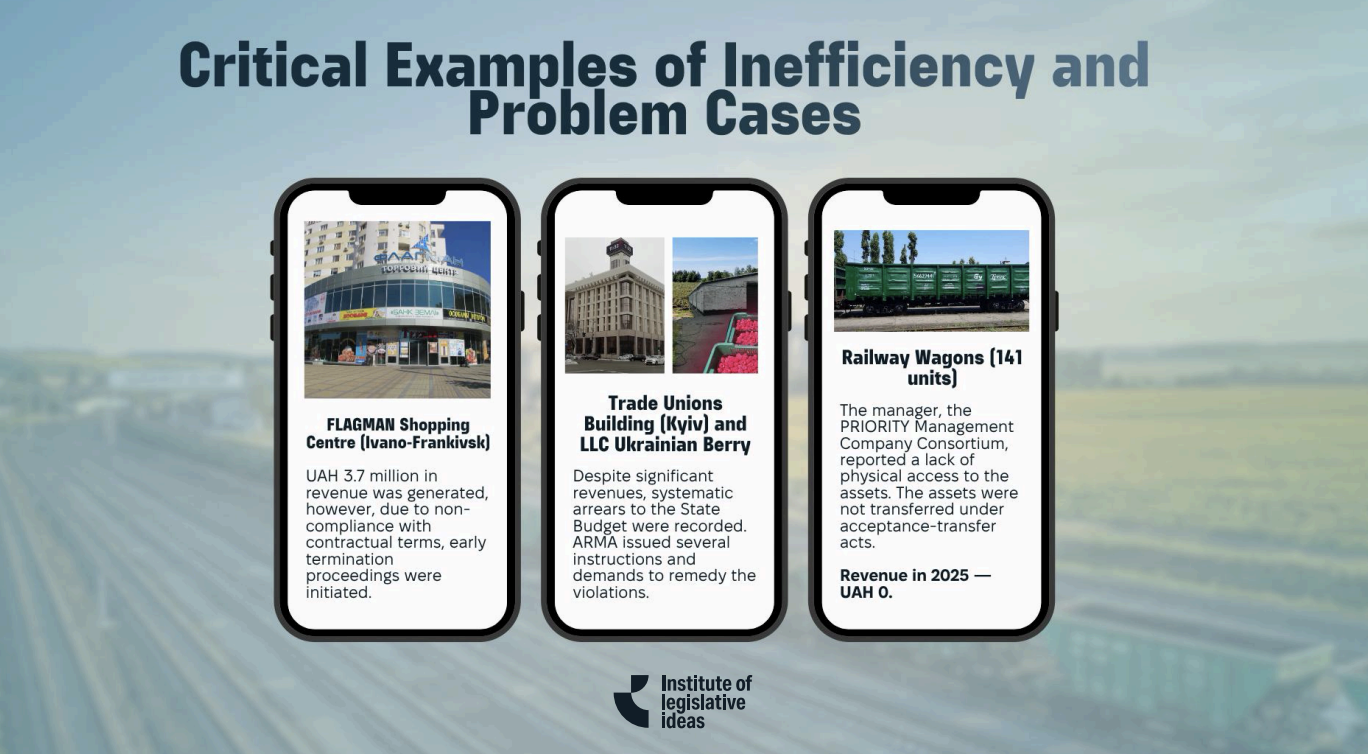
The qualitative analysis shows that the formal existence of an agreement, and even partial receipts, are not always indicators of effectiveness. The most problematic assets remain those where managers ignore financial discipline, such as debts to the budget, or where there are physical barriers to accessing the property, such as wagons and vessels. At the same time, ARMA’s control system demonstrates the capacity to respond firmly, from issuing instructions to fully terminating relations with ineffective managers.
IV. Analysis of Managers’ Activities
1. Concentration of Assets and Legal Form of Managers
As of December 2025, assets and groups of assets are managed by 19 managers. The analysis shows significant concentration of property among a small number of legal entities: the 5 largest managers control 24 assets, representing 58.5% of the total number of agreements.
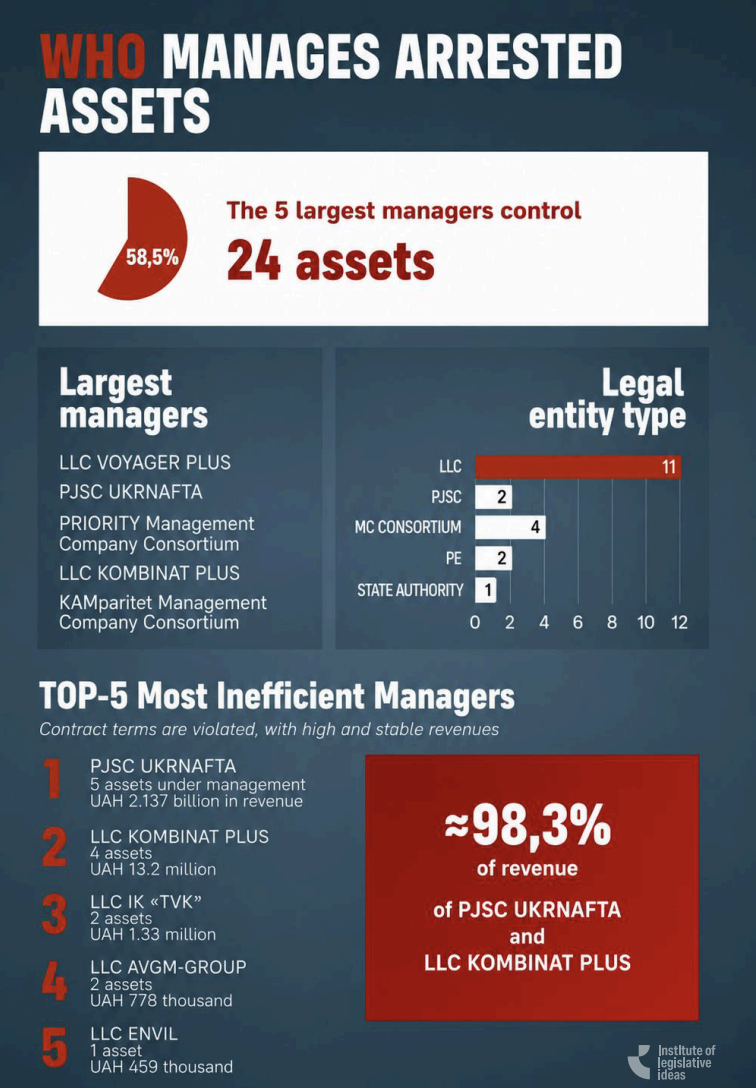
Largest managers by number of assets:
- LLC VOYAGER PLUS - 6 assets, comprising residential and commercial real estate in Poltava;
- PJSC UKRNAFTA - 5 assets, comprising strategic corporate rights and a fuel station network;
- PRIORITY Management Company Consortium - 5 assets, comprising railway wagons of various types;
- LLC KOMBINAT PLUS - 4 assets, comprising landmark properties in Kyiv, including the October Palace and premises of the Stereo Plaza complex;
KAMparitet Management Company Consortium - 4 assets, comprising real estate in Kyiv and Ivano-Frankivsk and agricultural assets.
Legal forms of managers:
- The structure is dominated by limited liability companies (LLCs). It also includes public joint-stock companies (PJSCs), such as Ukrnafta and Ukrenergo; consortia, including KAMparitet, PRIORITY, GRAVION and KRAINA RESIDENCE; private enterprises, such as Marinex; and a specialised state institution, the SBU sanatorium.
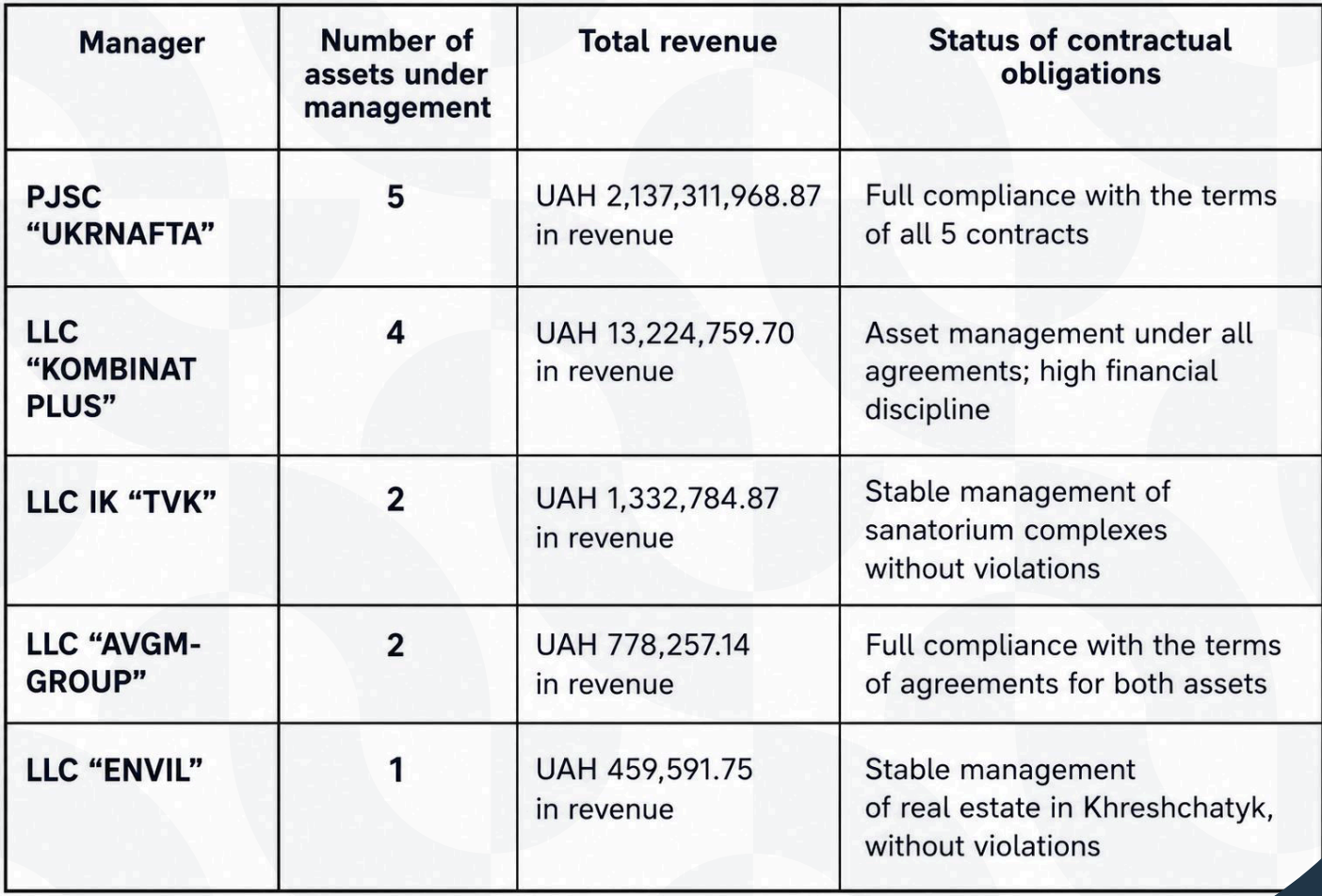
2. TOP 5 Managers by Performance
The ranking is based on a combination of criteria: full compliance with contractual terms according to the latest inspections and the highest levels of receipts to the State Budget of Ukraine.
3. Substantive Assessment of Activities and Identified Risks
The performance of managers in 2025 is uneven and allows three groups of actors to be identified:
- Effective core (TOP 5): managers that provide the main financial flow to the budget. PJSC Ukrnafta and LLC Kombinat Plus alone generated more than UAH 2.15 billion, accounting for approximately 98.3% of all budget receipts from the analysed assets.
Risk group and violators:
- KAMparitet Management Company Consortium demonstrates highly contradictory results. While generating high receipts for the Trade Unions Building, more than UAH 10 million, the company simultaneously has arrears to the budget, as in the case of LLC Ukrainian Berry, and ARMA has initiated termination of agreements for two other assets, the FLAGMAN shopping centre and premises on Pavlivska Street, due to improper management.
- PE MARINEX: complete ineffectiveness in managing marine vessels was recorded, with receipts of UAH 0.00, which led to the initiation of contract termination in July 2025.
- PRIORITY Management Company Consortium faced the inability to realise the potential of some wagons due to lack of physical access, resulting in zero efficiency indicators for this area.
Technical delays: the managers LLC TRUB-INZHBUD, LLC I.K.VEL, and the KRAINA RESIDENCE Consortium have zero efficiency indicators solely because of the prolonged procedure for transferring assets under acceptance-transfer acts, which had still not been signed as of December 2025.
The seized asset management system in 2025 is characterised by a high dependence on the professional capacity of a limited number of managers (the TOP 5). The main factors reducing overall efficiency are the accumulation of arrears on guaranteed payments, as illustrated by the KAMparitet case, and the impossibility of operationally launching management due to delays in signing acceptance-transfer acts, as in the cases of LLC TRUB-INZHBUD, LLC I.K.VEL, and the KRAINA RESIDENCE Consortium, or lack of access to property, as in the PRIORITY railway wagon case.
Conclusions
The analysis of seized asset management in 2025 shows that the system mostly deals with complex, capital-intensive assets requiring deep sectoral expertise. The asset portfolio covers strategic areas, from energy giants and large industrial complexes to railway transport and landmark real estate in the capital and regional centres.
The year’s experience shows that the most stable and predictable results are generated by real estate and corporate rights, while logistics assets, particularly marine vessels and railway wagons, most often face operational difficulties, lack of physical access, or the need to terminate agreements. Most assets are concentrated in regions distant from active hostilities, which increases their investment attractiveness. However, the number of potential managers needs to be expanded to reduce monopolistic dependence on major players.
The financial result for 2025 was record-high: more than UAH 2.17 billion was transferred to the budget, many times exceeding initial expectations based on guaranteed payments. However, this success has a downside. The system is critically dependent on a limited number of strategic energy-sector assets, where one manager provides more than 98% of all receipts. At the same time, almost 30% of assets generated zero profitability due to delays in property transfer procedures, which in some cases exceeded one year or never took place, as well as due to the impossibility of actually starting asset management.
The qualitative analysis confirms that only half of active agreements fully comply with the established requirements, while the rest are accompanied by violations of financial discipline, arrears to the budget, or problems with insurance and reporting.
Recommendations
- Continue transferring complex assets that can generate substantial budget revenues and are located away from active hostilities.
- Strengthen pre-contract checks of physical access to property to avoid dead agreements.
- Accelerate the signing of acceptance-transfer acts: the 27-day median, delays of over a year (409 days), and three missing acts lead to zero receipts.
- Introduce stricter sanctions for arrears on guaranteed payments to prevent situations like the KAMparitet case.
- Strengthen control over the implementation of ARMA instructions, given cases of repeated non-compliance in 2025.
- Ensure full transparency on Prozorro by publishing all data on terminated agreements and additional agreements now sometimes available only by public information request.
- Audit zero-profitability assets and terminate agreements with managers that did not begin operations within the set term.
- Optimise low-profitability real estate management where control costs may exceed budget revenues.
Related analytics