


The third annual sanctions conference “Ukrainian Business with Russian and Sanctioned Owners: Status, Challenges, Solutions” took place in Kyiv
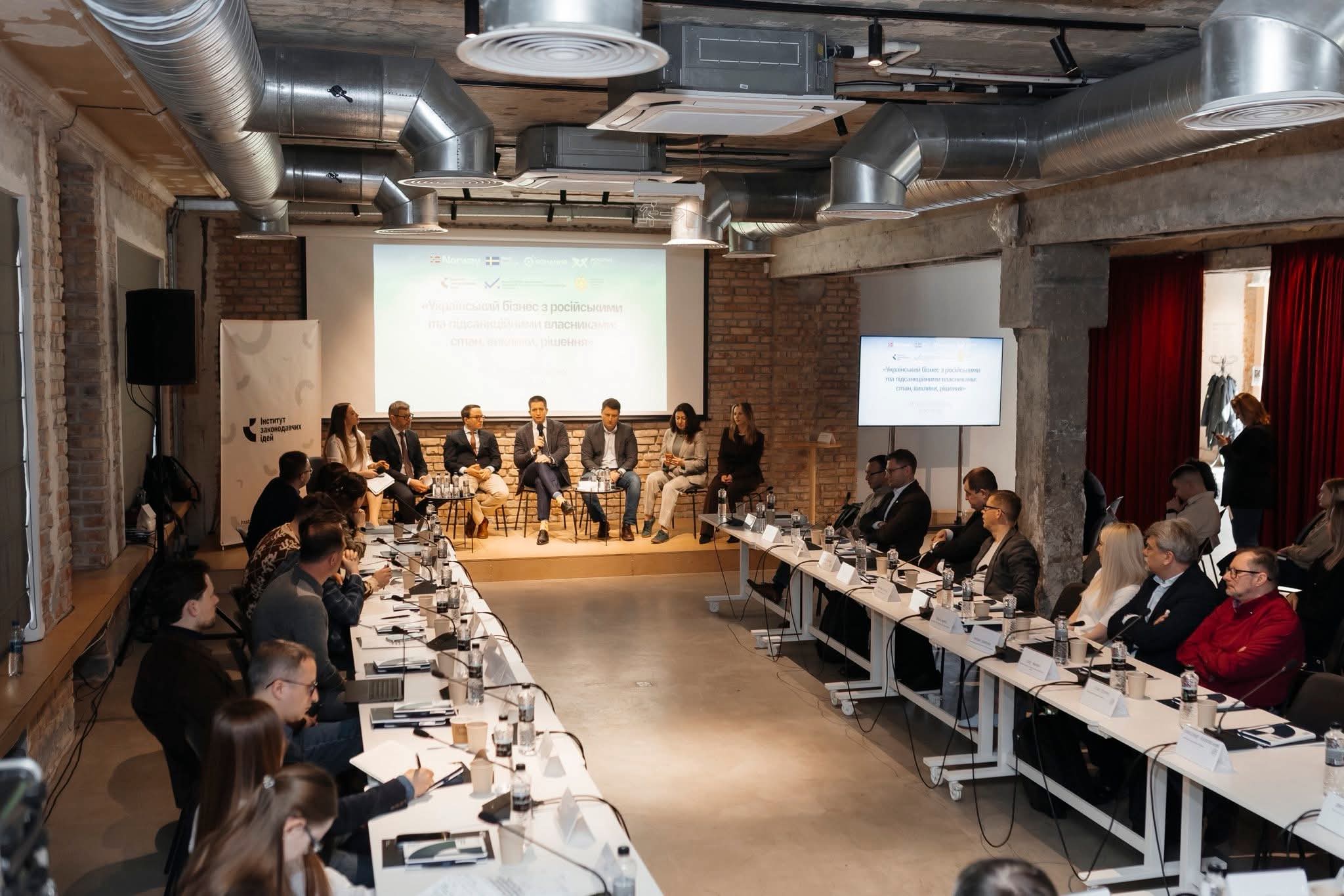
There are around 5,800 companies in Ukraine with a Russian footprint, while sanctioned owners continue to receive income from their businesses. This became the central topic of the third annual sanctions conference “Ukrainian Business with Russian and Sanctioned Owners: Status, Challenges, Solutions”, held on April 14 in Kyiv. The event was organized by the Institute of Legislative Ideas (ILI) in cooperation with the Ministry of Economy, Environment and Agriculture, and the Ukrainian Bar Association.
The event was held in a closed format and brought together representatives of key state institutions: the Ministry of Economy, the Verkhovna Rada, the Secretariat of the Cabinet of Ministers, the Office of the President, the National Security and Defense Council, the Security Service of Ukraine, the Ministry of Justice, the Ministry of Defense, the Ministry of Internal Affairs, the Ministry of Foreign Affairs, the Office of the Prosecutor General, the National Bank, the National Securities and Stock Market Commission, the customs service, ARMA, as well as international partners, including business associations, media, and expert organizations.
The aim of the conference was to develop a shared understanding of the challenges in regulating businesses with Russian and sanctioned owners, identify priority solutions, and align approaches between the state, business, and the expert community. Most importantly, it sought to find a balance between protecting Ukraine’s national security and economic interests.
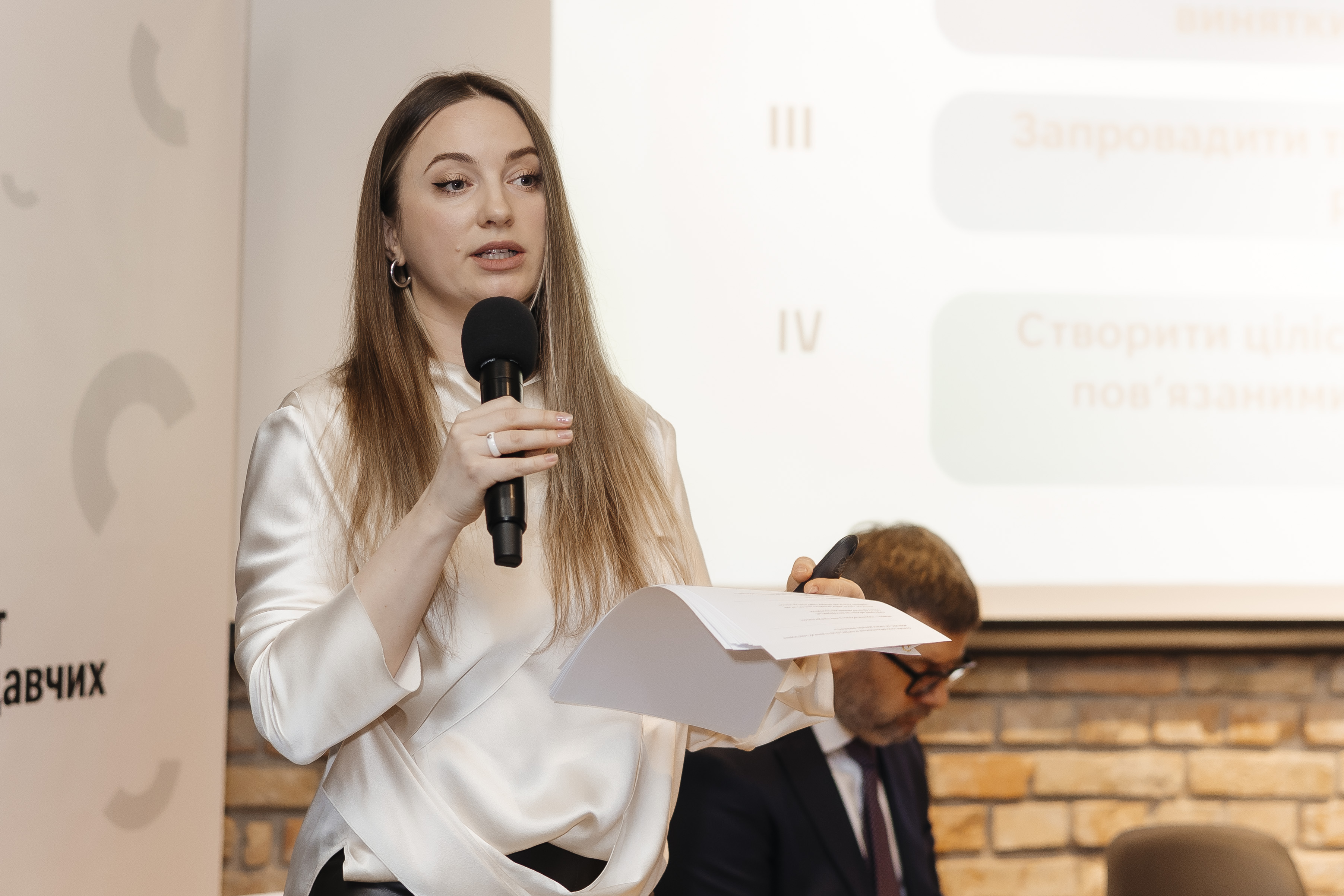
Opening the event, ILI Chair Tetiana Khutor emphasized that limiting the influence of the aggressor state on Ukraine’s economy is a key component of economic security. Therefore, particular attention must be paid to the presence of Russian capital in the economy and the regulation of businesses linked to sanctioned persons.
After the full-scale invasion, Ukraine rapidly introduced temporary comprehensive restrictions aimed at blocking Russian capital. However, these measures affected not only Russian but also Ukrainian co-owners, placing businesses in a trap: it is practically impossible to get rid of the Russian share, while operating under restrictions is becoming increasingly difficult. As of early 2026, thousands of companies in Ukraine still maintain ties with Russian business, and no systemic legislative solution has yet been adopted to allow them to fully eliminate Russian capital and clean up the market.
An even more complex situation concerns companies with sanctioned owners. Sanctions are imposed on individuals, but their negative effects partially extend to the businesses they control. Shortcomings in current sanctions regulation create a situation where, on the one hand, sanctioned individuals retain influence over businesses; and on the other, due to certain restrictions (tax and regulatory), companies lose income, and the state fails to collect funds that could have been paid as taxes.
Addressing these challenges would make it possible to eliminate hostile influence without causing significant harm to the domestic economy, balancing security and economic interests, and aligning Ukraine’s system with European requirements.
“The problem is not that Ukraine has regulation blocking Russian capital – that is necessary. The problem is that legal mechanisms have not yet been created to allow Ukrainian companies to legally and definitively get rid of risky investments. The same applies to sanctions: the issue is not that Ukraine imposes them on Russian oligarchs – that is justified. The issue is that large companies owned by them, which are important for the economy, either continue to effectively operate for their benefit or completely stop functioning and create no added value for Ukraine. Systemic legislative changes are needed to address both issues, and we are already working on them,” summarized Tetiana Khutor.
Deputy Minister of Economy, Environment and Agriculture Vitalii Petruk, opening the first panel, emphasized that the Ministry of Economy, as a central executive authority shaping policy across many areas of public life, pays significant attention to the challenges faced by businesses – both large and small – and Ukrainian citizens, including those arising from the implementation of sanctions legislation (in the broad sense).
He noted that the Ministry has received appeals from businesses and business associations stating that the current situation creates risks of prolonged uncertainty and actual blocking of economic activity.
“Resolution No. 187 was a necessary response to the challenges of 2022. However, over time it has become clear that current approaches do not always reflect reality and lack tools for rapid response. Our task is to find more precise solutions that limit the influence of the aggressor state while not complicating the work of Ukrainian enterprises,” said Vitalii Petruk.
Summarizing possible scenarios for discussion during the first panel, several options were proposed: repealing the resolution; amending it to minimize negative effects by introducing mechanisms to eliminate Russian ownership; introducing a new systemic legislative framework that ensures legal certainty, provides tools to remove Russian ownership, and prevents “corrosive” investments in the future.
“We are facing a choice: leave the imperfect regulation as it is, lift restrictions or expand exceptions under Resolution No. 187, introduce targeted changes, partially integrate this into the investment screening system, or adopt a comprehensive legislative solution for interaction with the aggressor state,” Tetiana Khutor said.
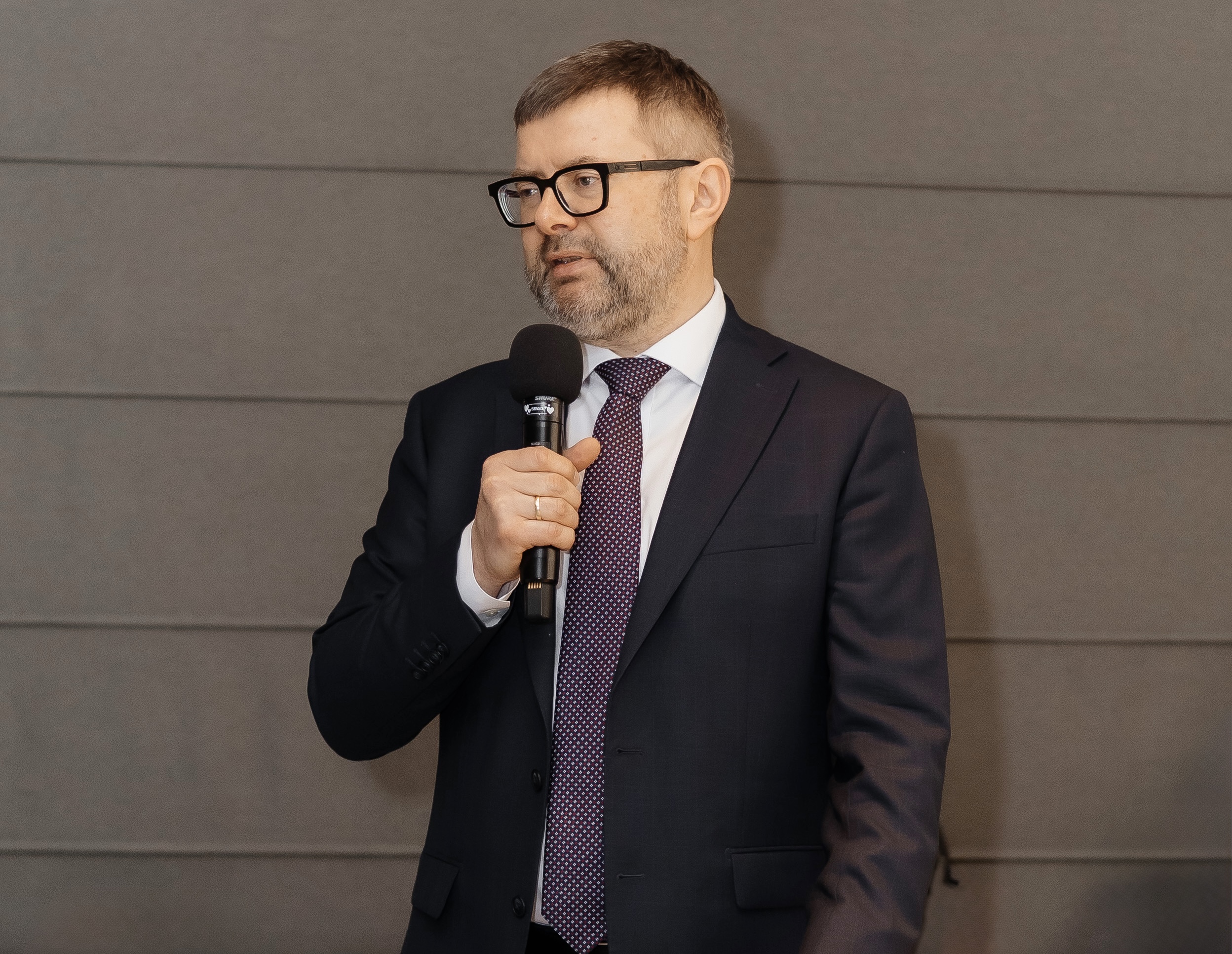
In the context of regulating Russian capital and possible solutions, Director General of the Directorate for Legal Policy at the Office of the President Viktor Dubovyk explained the logic behind adopting Resolution No. 187 and its continued relevance.
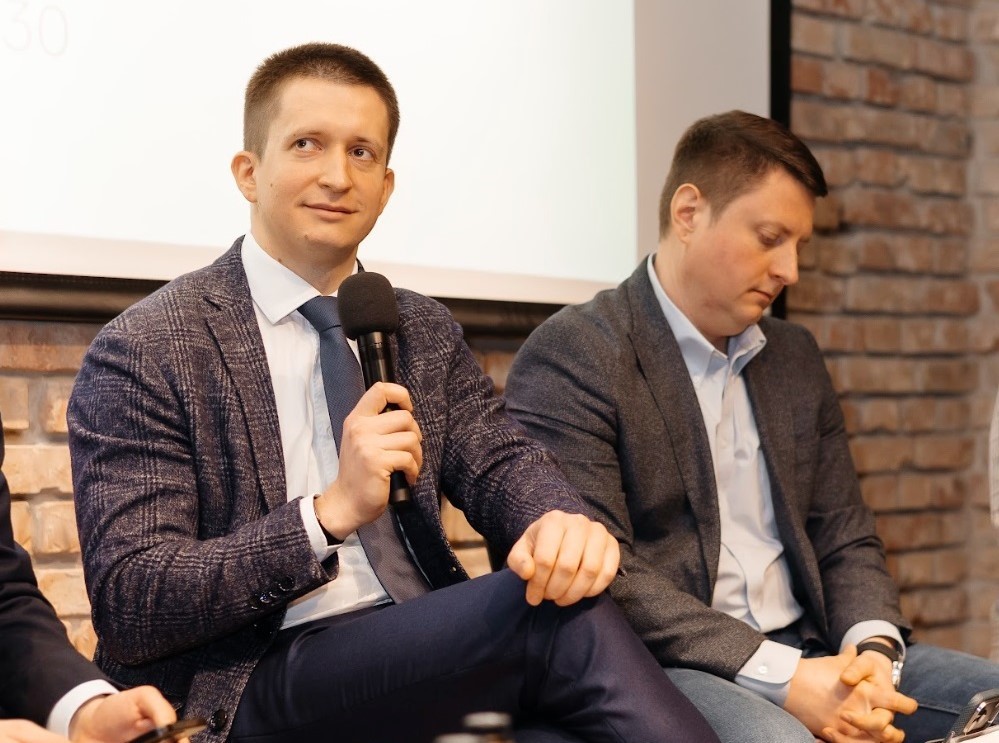
Representative of the Federation of Employers of Ukraine Olesia Sniehiryova shared practical cases of companies directly affected by these restrictions.
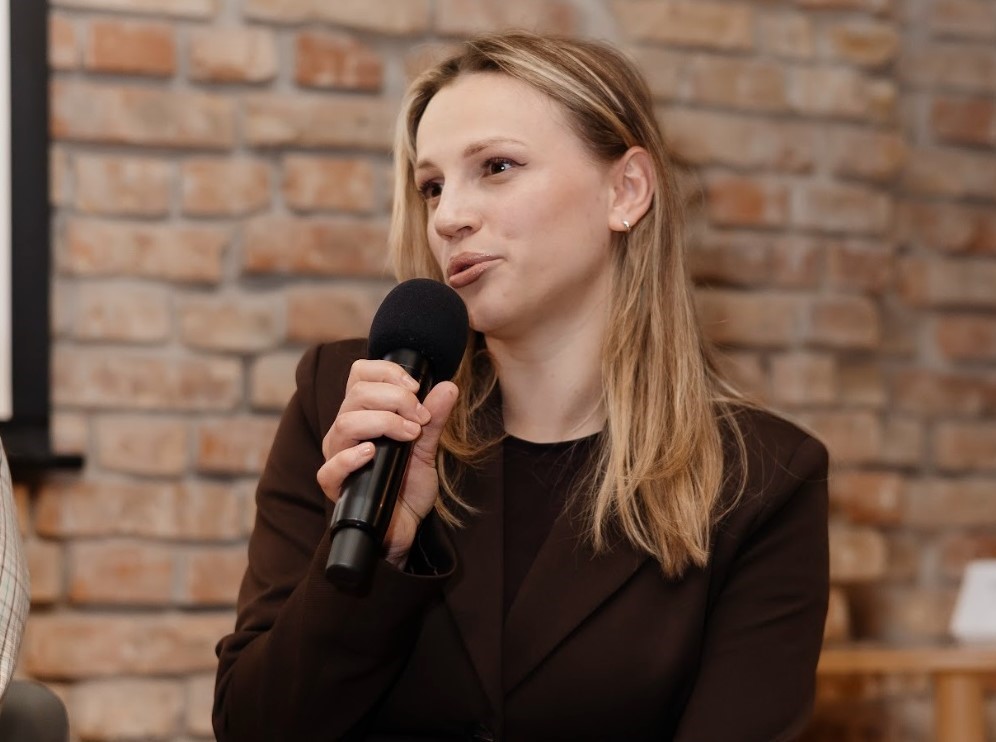
Implementation and potential improvements of Resolution No. 187 were also discussed. Director of the Department of State Registration at the Ministry of Justice Viacheslav Khardikov spoke about its practical application and ways to improve regulation, including through codifying rules in a comprehensive law.
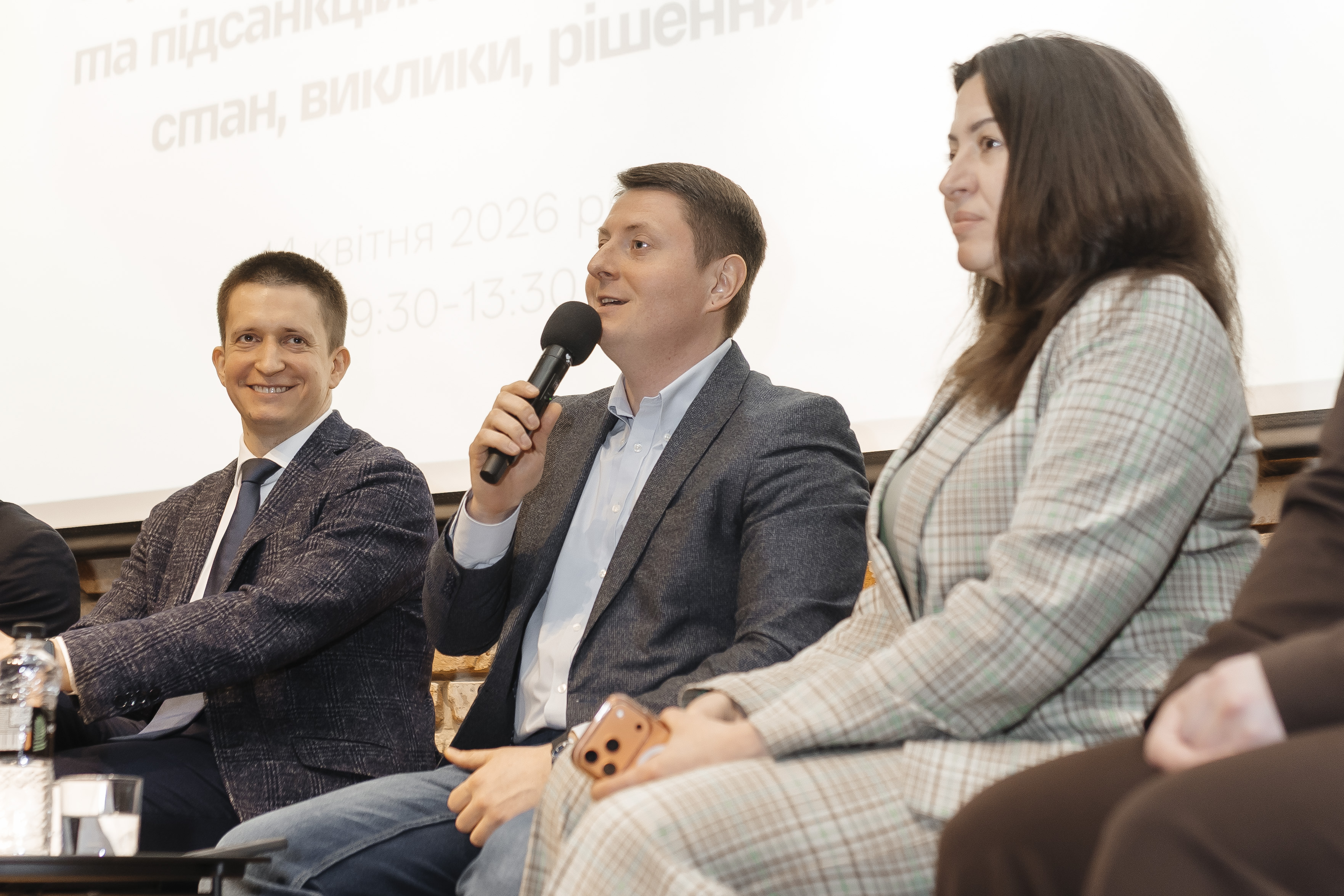
Member of Parliament Oleksii Movchan explained how these restrictions affect businesses in practice and highlighted legislative gaps preventing companies from deliverance “problematic” shares. He also noted that investment screening could help prevent harmful capital from entering the economy.
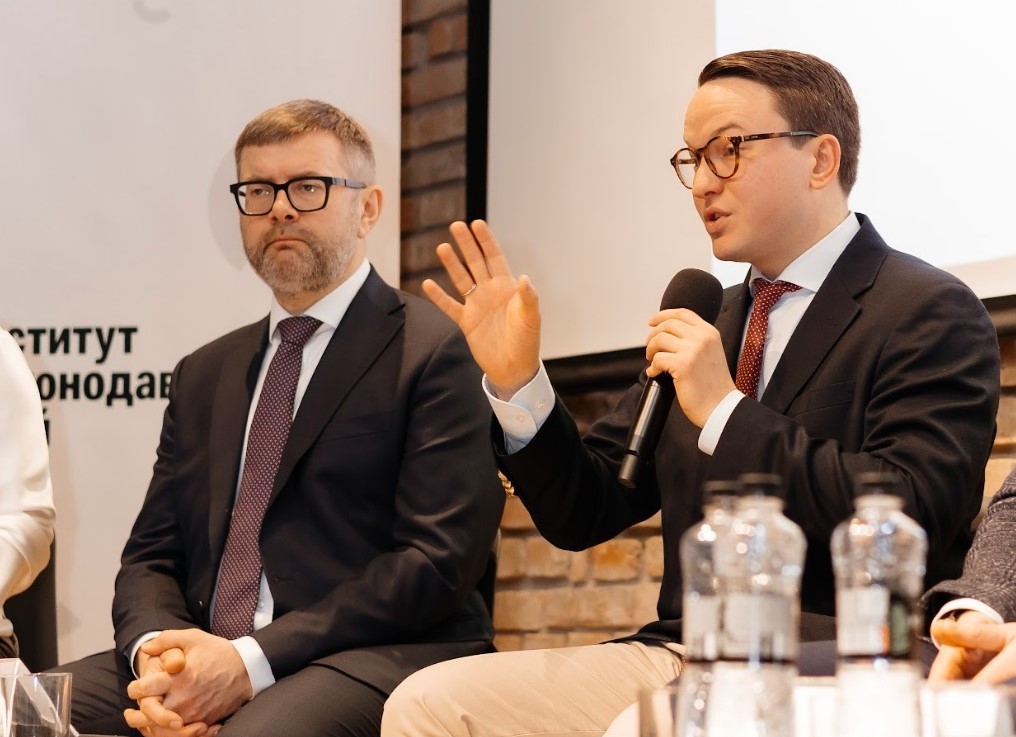
Inna Bohatykh, Head of Legal & Compliance at Truman and former Deputy Minister of Justice, discussed Resolution No. 187 as a sanctions policy tool and the future role of investment screening. She stressed that despite strict restrictions, the resolution was necessary and played an important role in blocking Russian ownership.
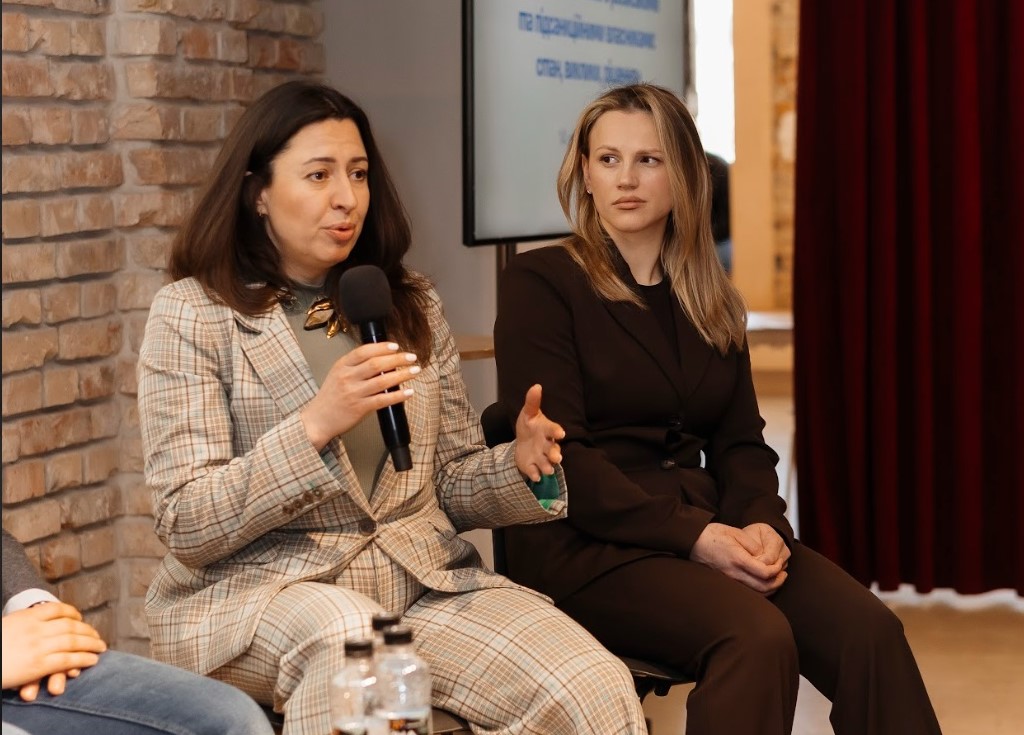
During the second part of the conference, experts discussed regulatory shortcomings, EU requirements, and solutions regarding Ukrainian businesses with sanctioned beneficiaries.
Head of the Sanctions Policy Department at the Ministry of Economy Oleksandr Tyshchenko outlined key challenges and emphasized the need to balance national security and economic interests, including tax revenues, wages, and broader economic effects.
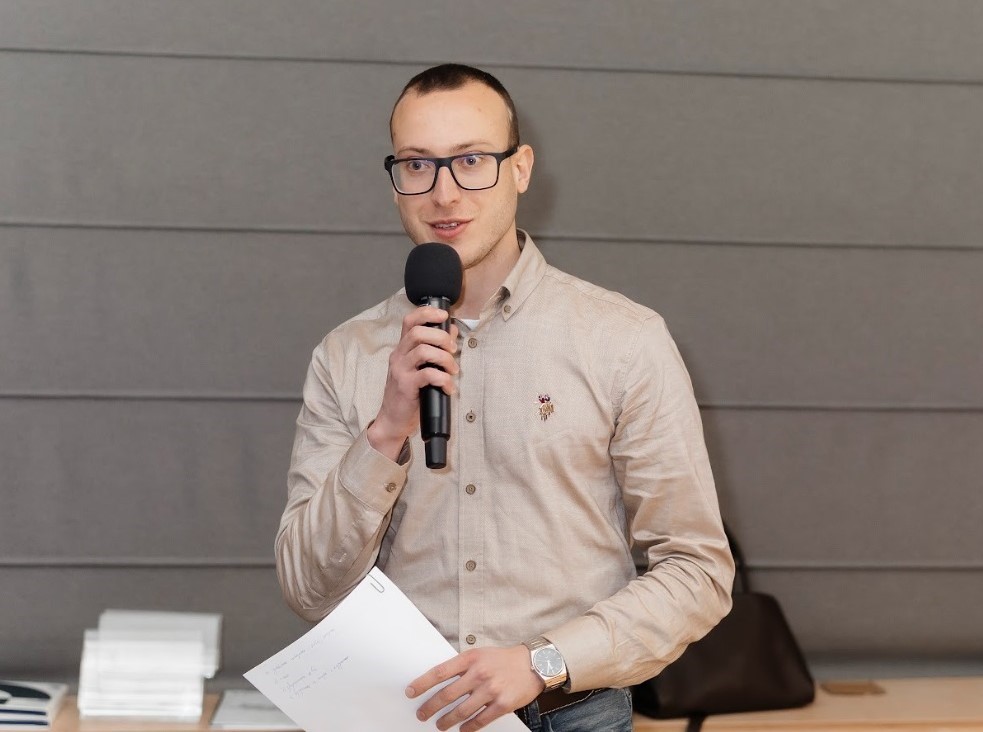
ILI sanctions lead Andrii Klymosiuk highlighted the gap with EU approaches: in Ukraine, companies with sanctioned owners can continue generating income, while in the EU their assets are effectively frozen.
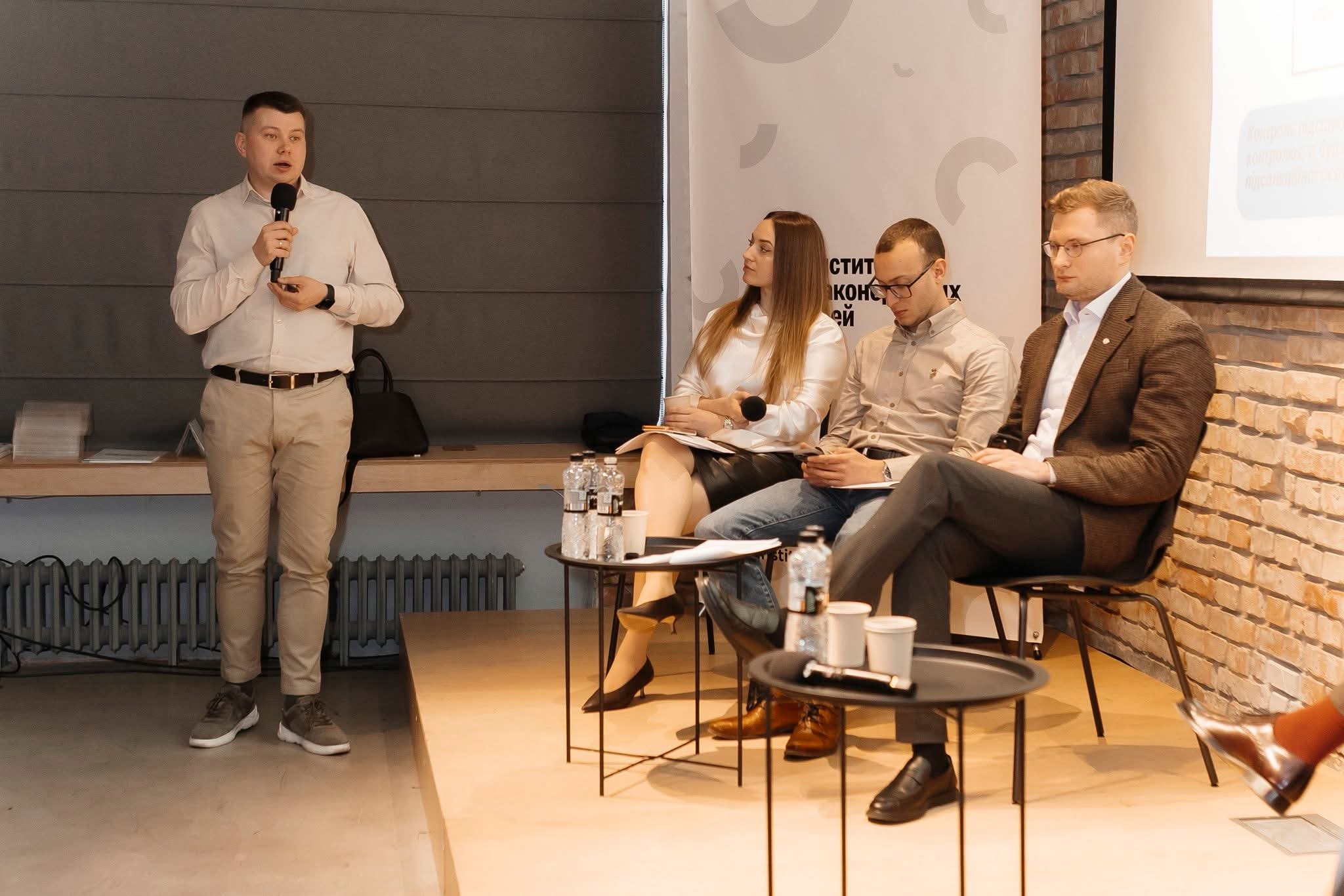
“Key steps to ensure effective sanctions and balance interests in Ukraine include: improving the asset-blocking mechanism by extending its effects to controlled companies; introducing procedures to rebut control and establish firewalls; implementing mandatory reporting; creating a licensing system for otherwise prohibited activities; and establishing or designating a national competent authority on sanctions,” Andrii Klymosiuk proposed.
Representative of the Office of the President Mykola Kravchenko emphasized that sanctions affect not only tax revenues but also employment, human capital, and overall economic capacity.
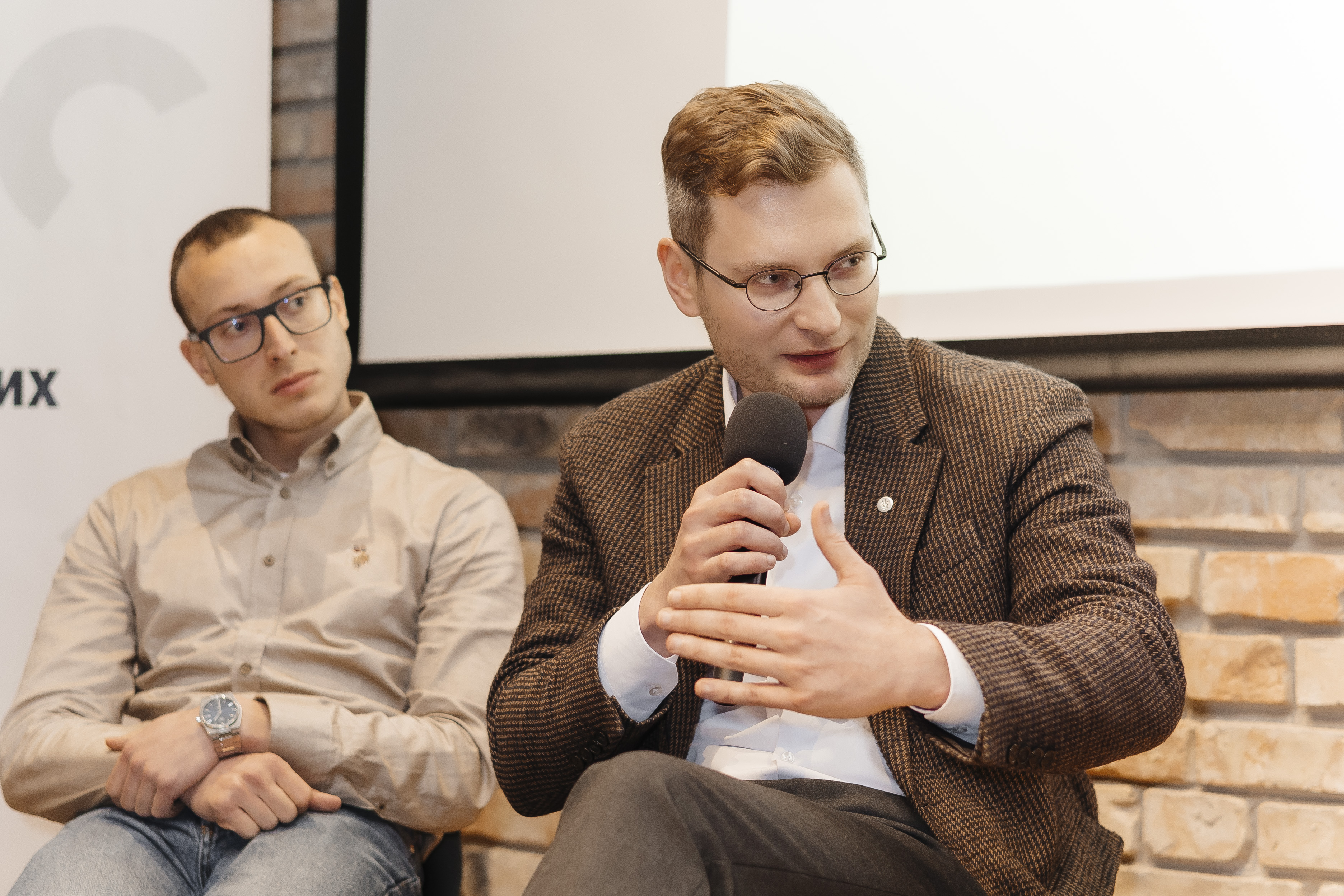
Founder of Nadra.Info Volodymyr Boiko outlined practical consequences of sanctions in the subsoil use sector, illustrating their impact on production, investment, and efficiency.
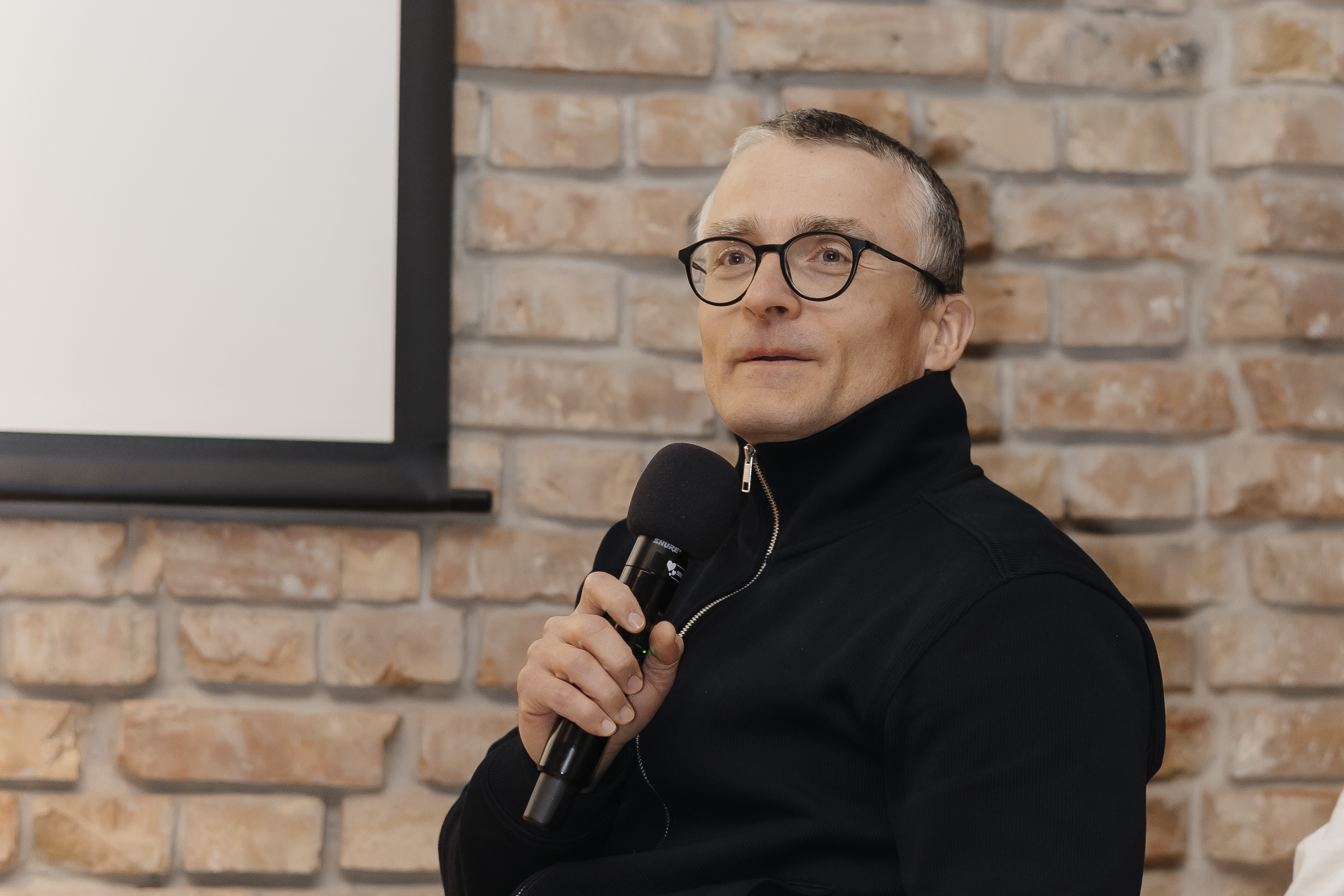
Advisor at the Department of International Law of the Ministry of Foreign Affairs Bohdan Chumak highlighted Ukraine’s EU integration commitments in harmonizing sanctions legislation and the need to align all approaches with European standards.
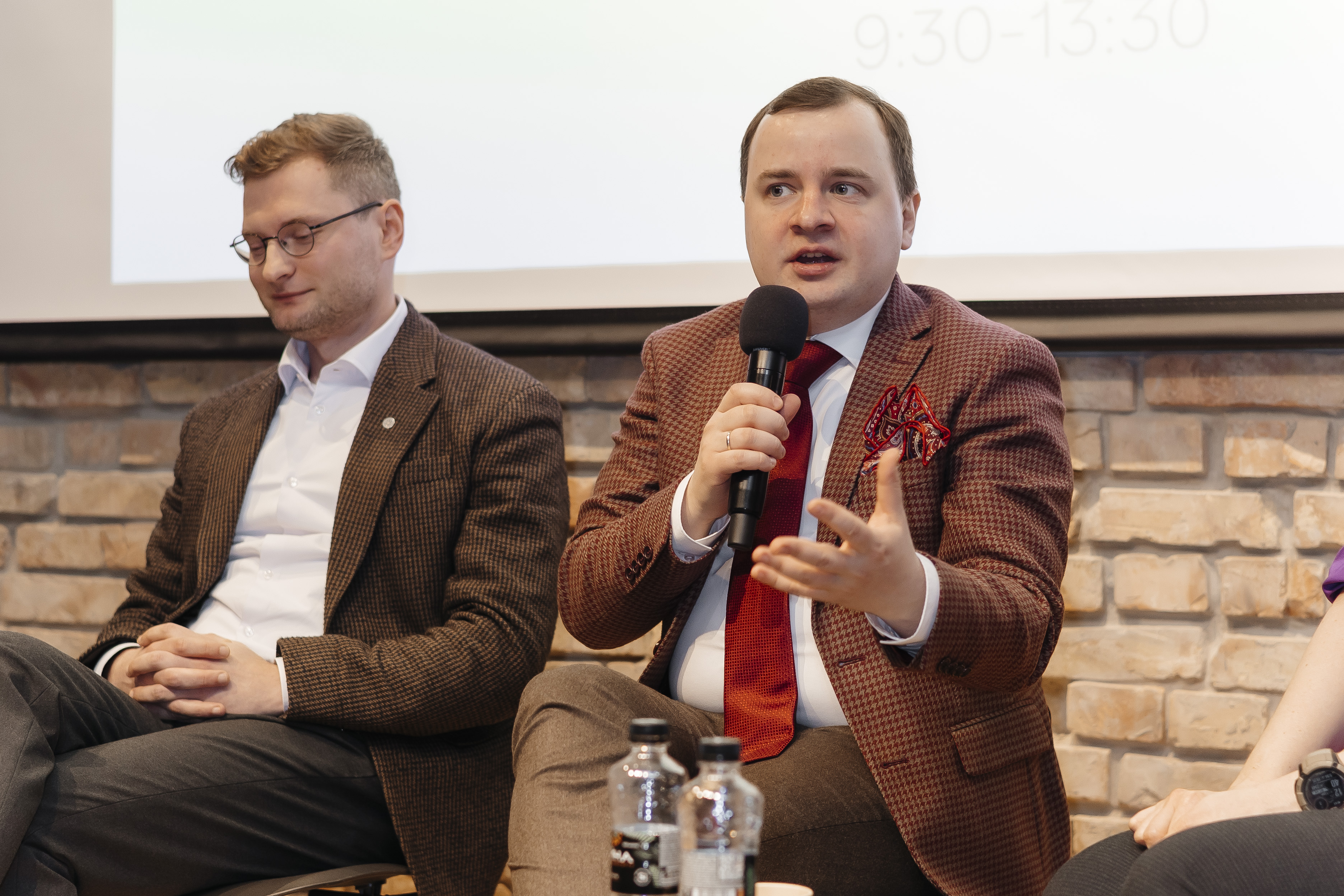
MP Mariana Bezuhla spoke about key shortcomings of the Law of Ukraine “On Sanctions,” noting that the lack of effective tools leads to situations where one toxic beneficiary can block an entire company’s operations. She also presented ongoing legislative work and a new concept for reform based on stakeholder proposals.
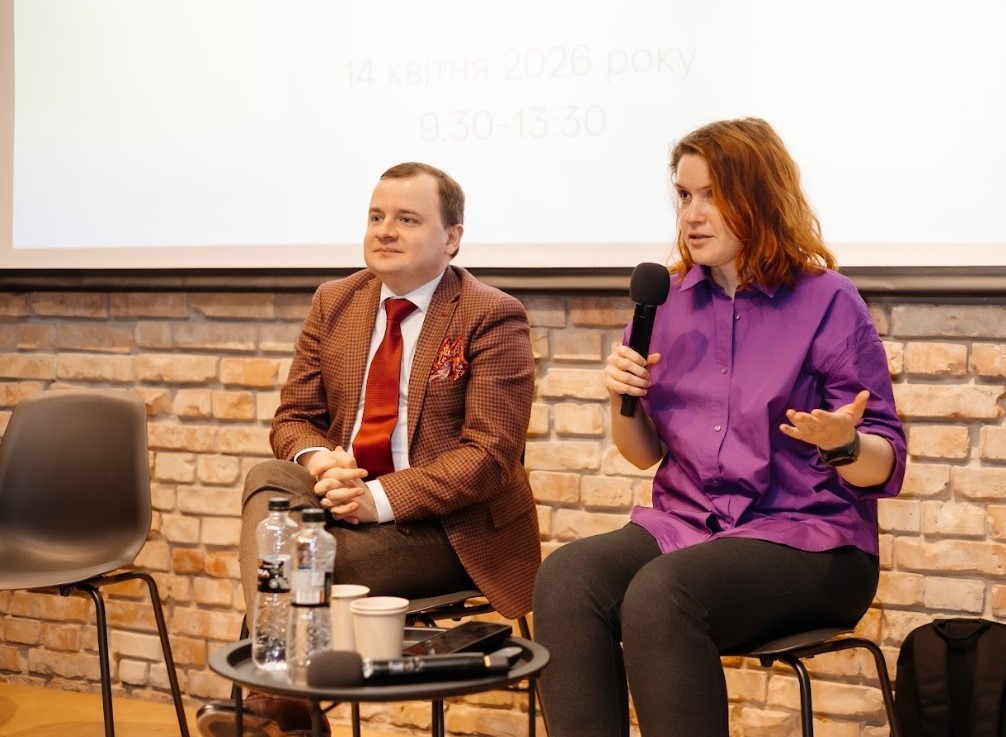
Experts also discussed the need to improve the effectiveness of state institutions so that seized enterprises can continue operating and generating revenue. Acting Director of the Legal Department of ARMA Bohdan Koval noted that after reforms – particularly the division of assets into simple and complex – the agency’s work should become more effective. Sanctioned-beneficiary assets now have a real chance for proper management: the asset management system has been reformed, a selection commission established, and necessary secondary legislation adopted.
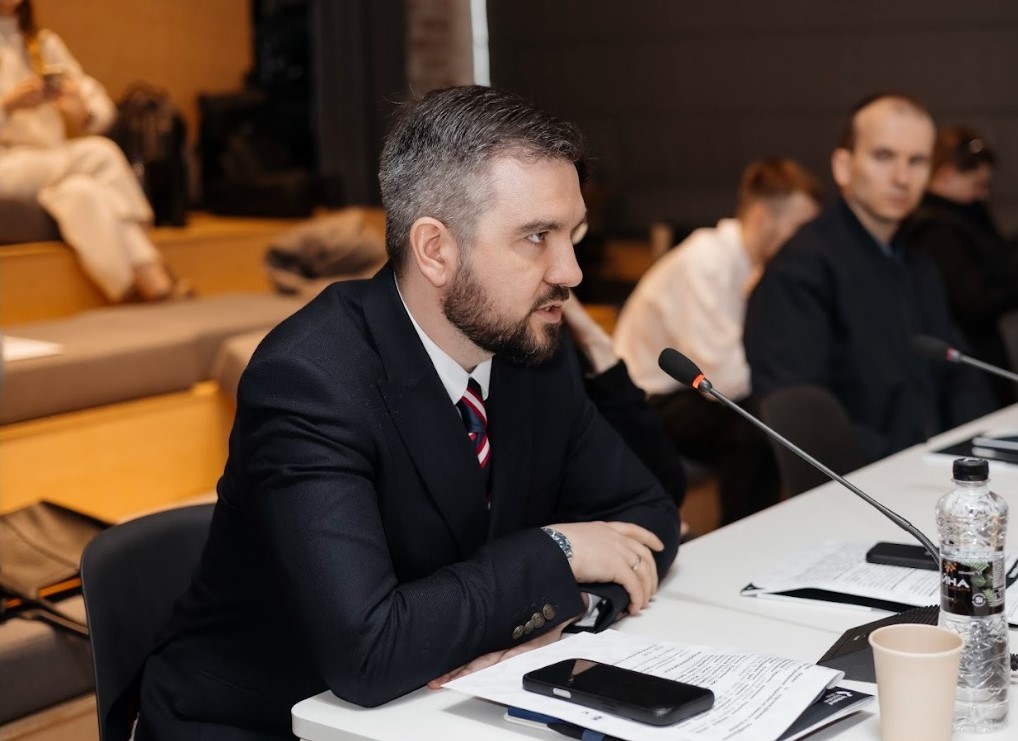
Following the discussion, ILI will prepare a final analytical document summarizing key issues and proposed solutions. This document will serve as the basis for further joint work with the Ministry of Economy on comprehensive solutions and legislative changes.