


ILI experts Tetiana Khutor and Andrii Klymosiuk took part in a meeting of the Committee on Sanctions and Economic Security of the Ukrainian Bar Association
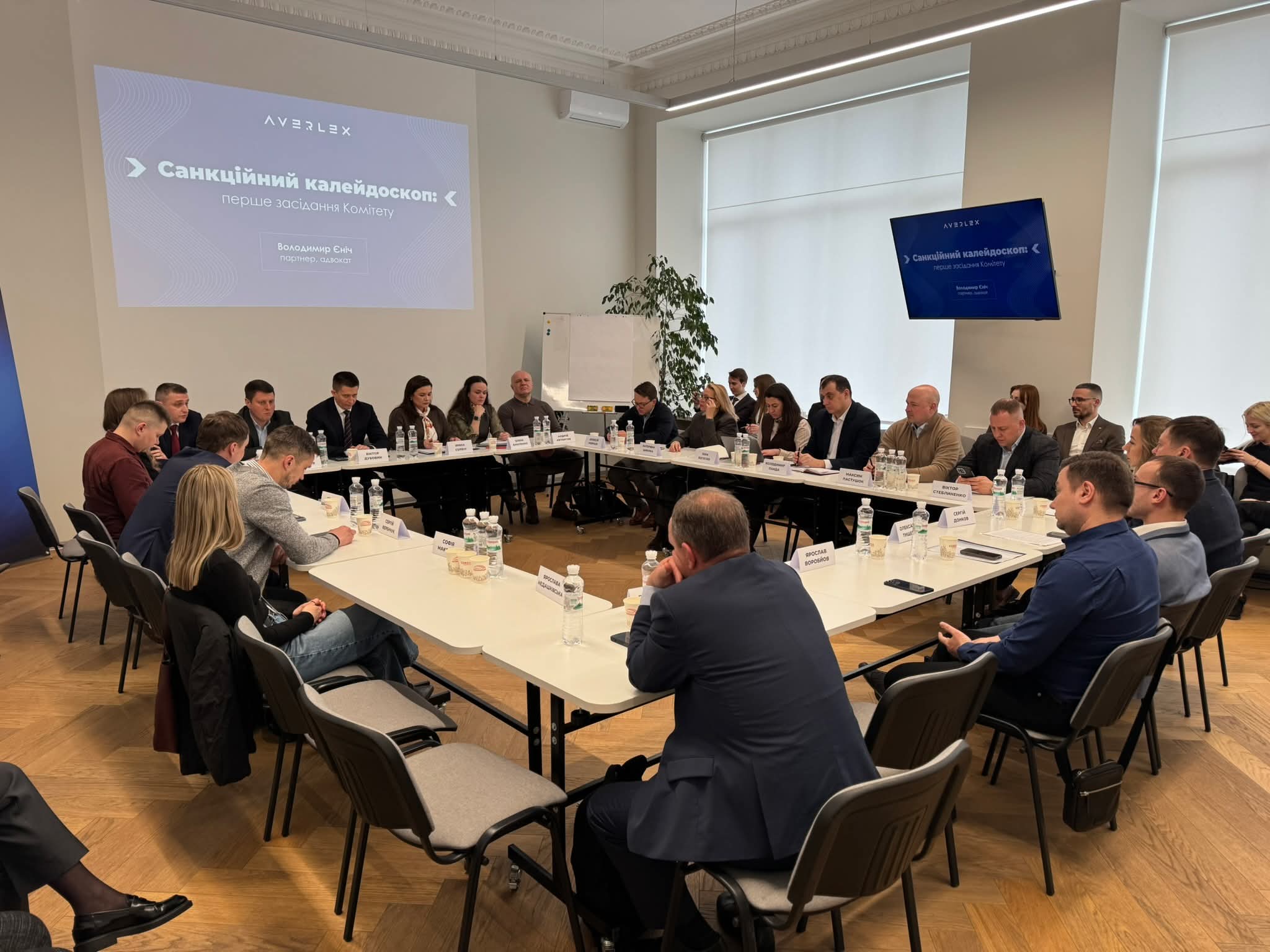
Ukraine needs to introduce criminal liability for sanctions violations as part of a comprehensive reform of its sanctions policy aligned with EU requirements. This was stated by the Head of the Institute of Legislative Ideas, Tetiana Khutor, during the first meeting of the Committee on Sanctions and Economic Security of the Ukrainian Bar Association.
“The current sanctions system in Ukraine requires significant improvement across six key areas: the application of sanctions, their appeal, licensing mechanisms, asset declarations, designation of a competent authority, and liability for violations,” the expert said.
In particular, regarding the application of sanctions, Khutor highlighted the need for: clearly defined grounds for imposing sanctions; extending sanctions to legal entities where a sanctioned person holds more than a 50% beneficial ownership; banning the acquisition of assets; and regulating the interaction between asset blocking and other legal mechanisms, such as enforcement proceedings and bankruptcy.

She also proposed paying special attention to the possibility of appealing sanctions – both to the authority that imposed them and in court. In addition, she emphasized the importance of introducing a transparent licensing system for certain actions otherwise prohibited under sanctions.
“This would unblock business operations, allow the execution of contracts and court decisions, and ensure basic rights of citizens, such as division of marital property or posting bail,” Khutor explained.
Among other key proposals is mandatory asset declaration by sanctioned persons, which is expected to increase the effectiveness of sanctions and support the prevention, detection, and investigation of violations. She also stressed the need to establish or designate a single authority responsible for implementing sanctions policy.
“Such a body would monitor the effectiveness of sanctions, issue permits, process asset declarations, and ensure international coordination and cooperation with the EU,” Khutor noted.
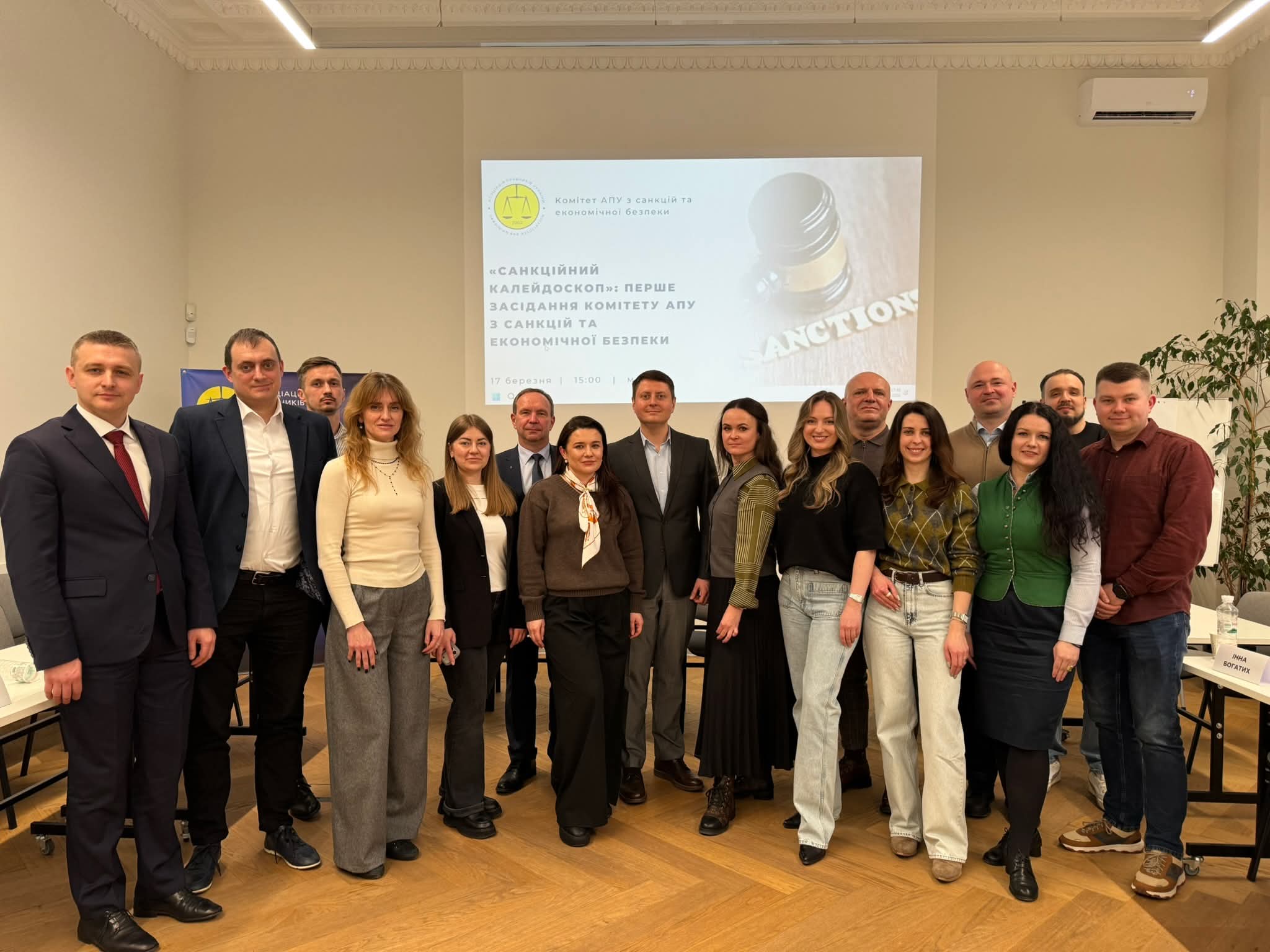
Regarding liability for sanctions violations, she proposed adopting draft law No. 12406 without risky provisions that would limit the application of sanctions to Ukrainian citizens, allow asset withdrawal through lawyers, or restrict liability only to intentional violations. At the same time, additional legislative changes should be developed to introduce administrative liability as a faster and more widely applicable enforcement tool.
Head of projects at ILI, Andrii Klymosiuk, added that Ukraine must take these steps as soon as possible to meet the requirements for harmonization under Cluster 6 “External Relations” and move closer to the standards of the EU’s Common Foreign and Security Policy.