


ILI and StateWatch discussed practicies for confiscating private assets to Ukraine`s economic recovery
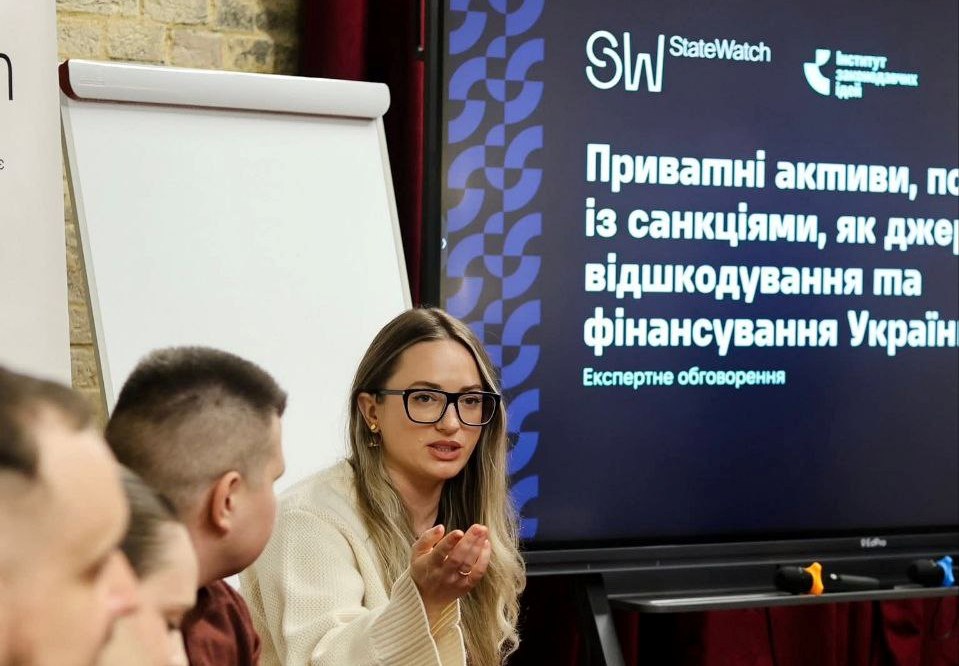
More than $50 billion in private assets belonging to sanctioned individuals are currently frozen worldwide. Every week, court rulings are issued in sanctions-evasion cases, imposing fines and confiscating criminal assets.
However, there is still a lack of effective mechanisms that would allow these funds to be used for compensation and the reconstruction of Ukraine.
This was the focus of an expert discussion titled “Private Sanctions-Related Assets as a Source of Compensation and Financing for Ukraine,” held by the team of the Institute of Legislative Ideas together with StateWatch. The event brought together representatives of the Cabinet of Ministers of Ukraine, the Ministry of Justice, the Security Service of Ukraine, the National Bank of Ukraine, the Office of the President, the Ministry of Foreign Affairs, the Ministry of Finance, ARMA, the Economic Security Bureau, and other institutions.
We analyzed how mechanisms for recovering frozen private assets currently operate – and where they systematically stall – across different jurisdictions: Ukraine, EU member states, the United Kingdom, the United States, and Canada. We discussed specific cases, ranging from arrests and fines for sanctions violations to situations where legal instruments formally exist but fail to deliver practical results for years.
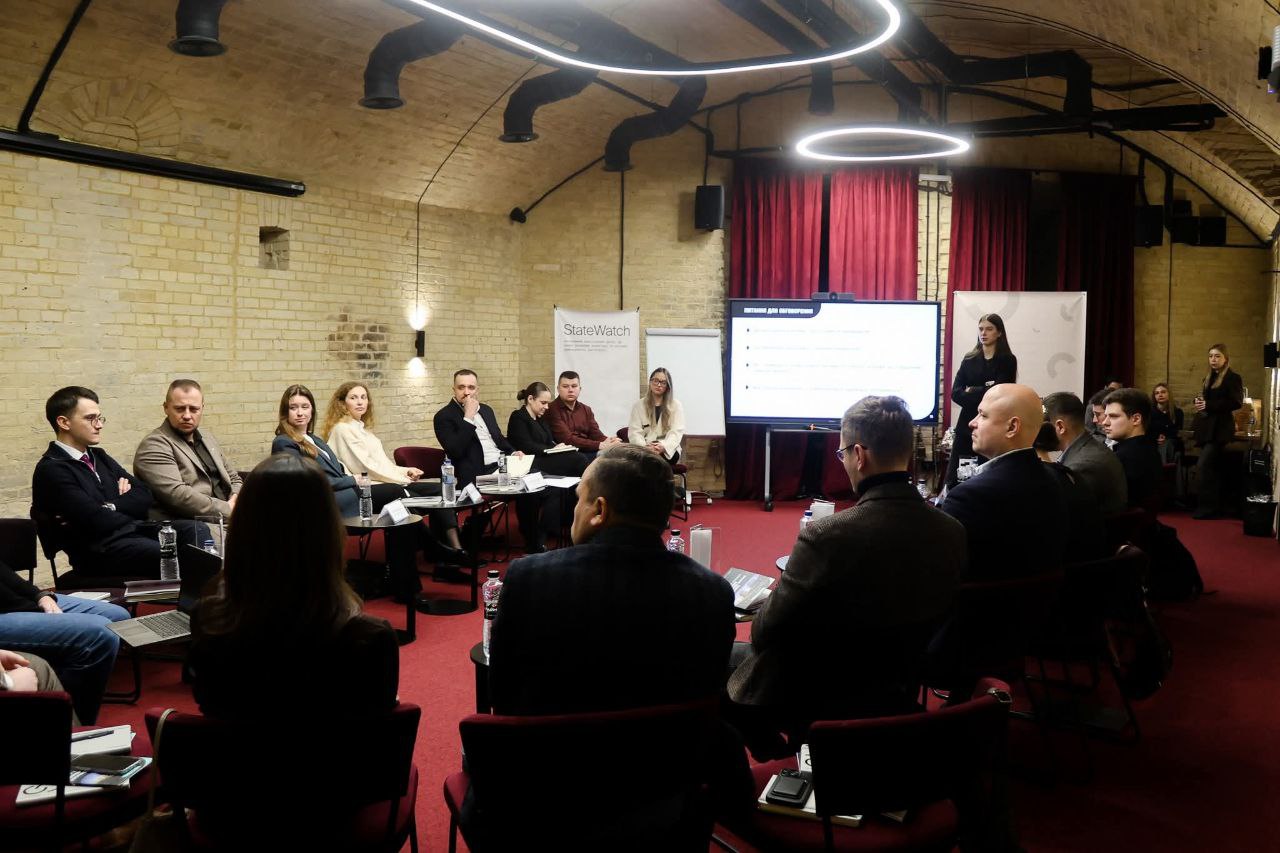
Special attention was paid to European and U.S. approaches to the use of confiscated assets and sanctions-related fines imposed for sanctions evasion. In a number of countries, a legal framework already exists or is being developed to channel such assets toward humanitarian purposes, including support for Ukraine. This is also reflected in the new EU Directive on asset confiscation and recovery. At the same time, without political will, coordinated decisions, and a clear strategy, these billions remain frozen potential rather than a resource for recovery.
This is an issue that the Institute of Legislative Ideas addresses systematically, not sporadically. We continue to consistently analyze international practices, develop legal solutions, and advocate for mechanisms that will make it possible to turn sanctioned assets into a real source of compensation for damages and financing for Ukraine’s recovery.