


Protecting Ukraine’s Reconstruction from Corrosive Capital: Investment Screening Discussed in Stockholm
Ukraine’s reconstruction will require substantial foreign investment. Yet capital can be not only a driver of economic development, but also a tool for influencing government decisions, strategic enterprises and democratic institutions. Corrosive capital poses a particular threat: it can be used to advance political and geopolitical interests, create dependencies and strengthen influence over the state.
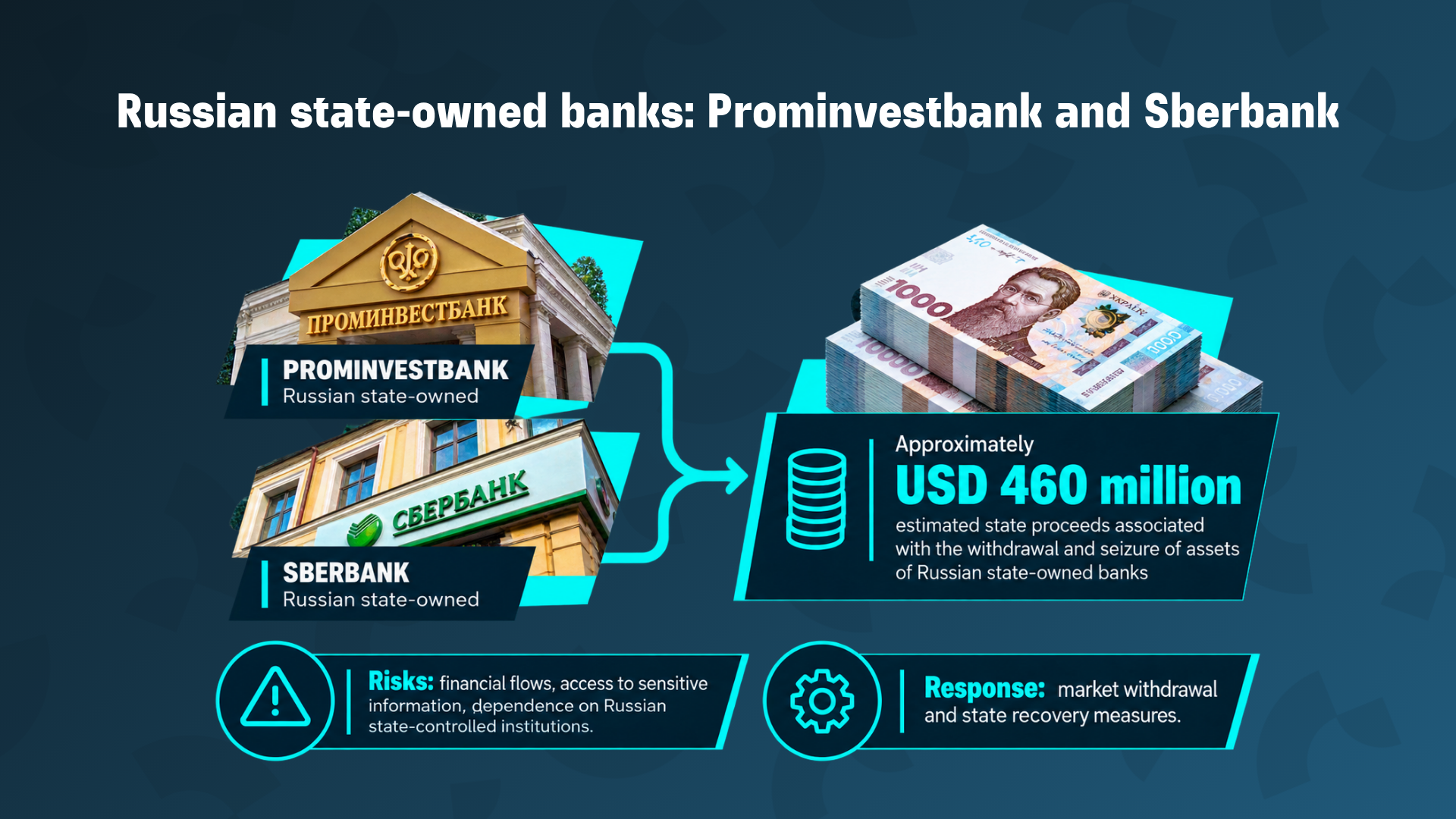
Ukraine’s experience with Russian capital in the banking, energy and telecommunications sectors provides a clear example. Investments from Russia were used as instruments of geopolitical influence: controlled companies and banks financed pro-Russian media, political parties and religious organisations, helping to create the conditions that paved the way for Russia’s invasion of Ukraine.
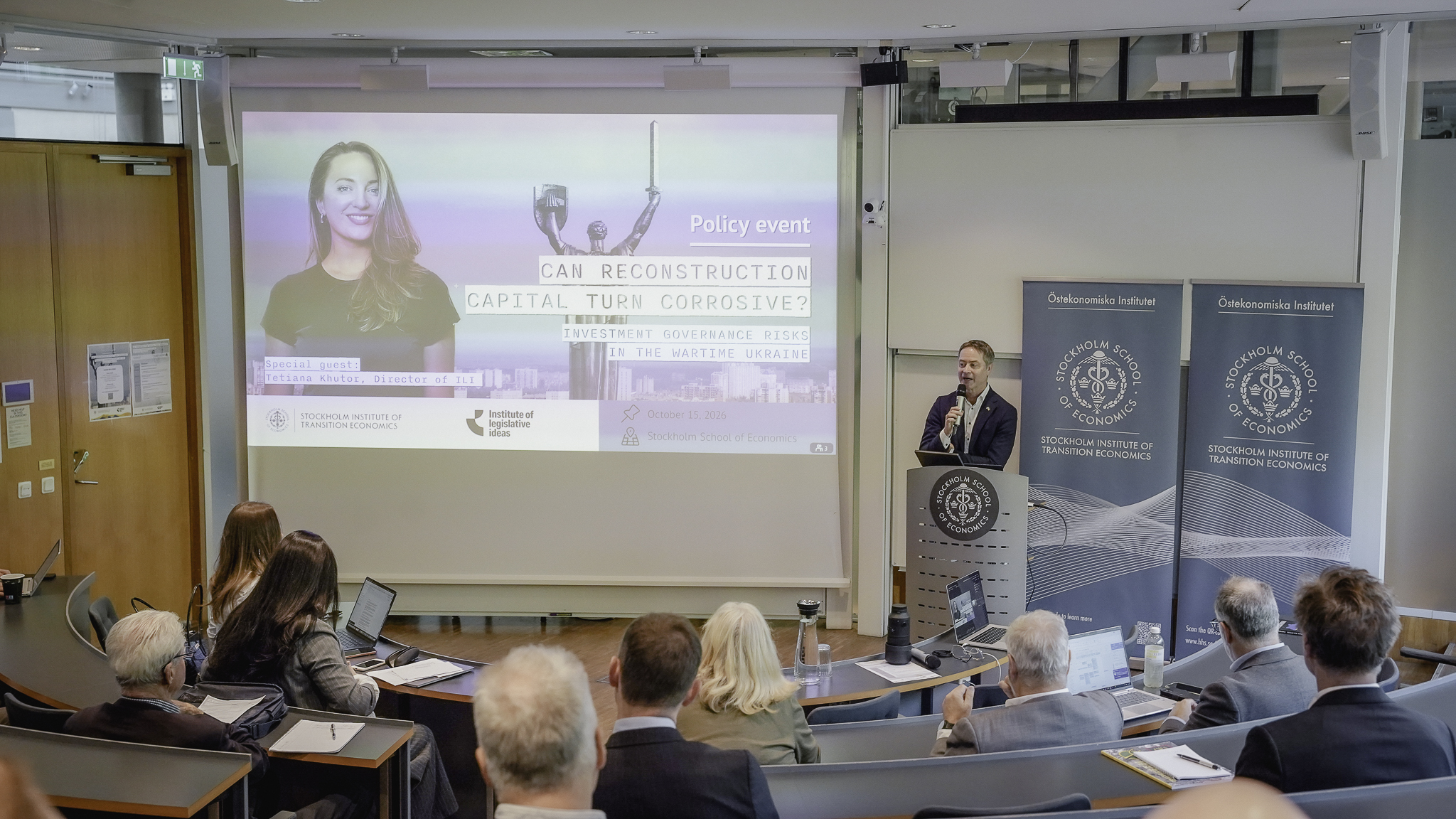
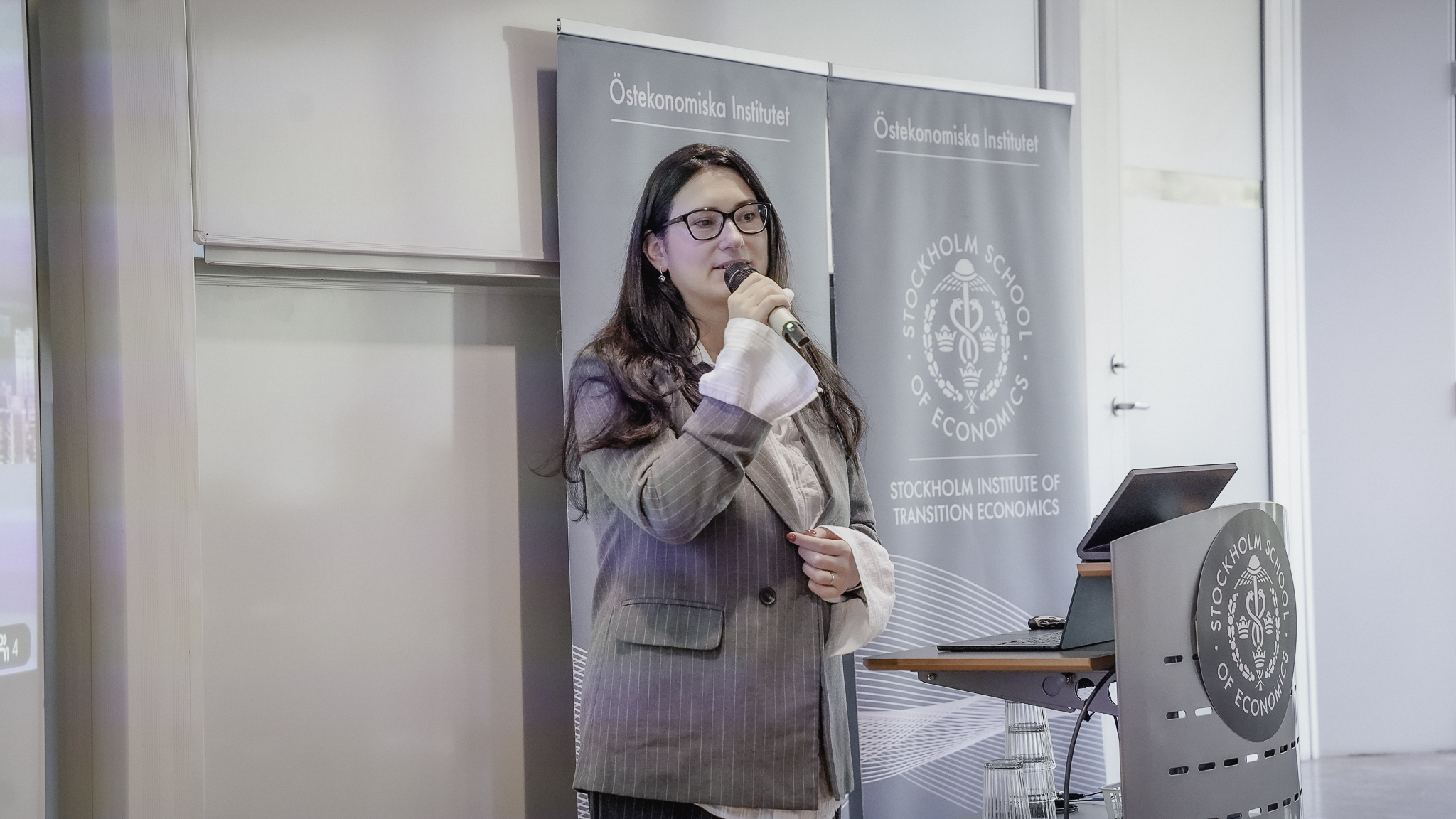
How Ukraine can attract the funding needed for reconstruction without putting its economic security and state institutions at risk was discussed at the Stockholm School of Economics during the event “Can reconstruction capital turn corrosive? Investment governance risks and the Ukraine challenge”. The event was jointly organised by the Stockholm Institute of Transition Economics (SITE) and the Institute of Legislative Ideas (ILI). Tetiana Khutor, Chairwoman of ILI, joined as a special guest and delivered an extended presentation.
The event brought together representatives of leading government, academic, international and business organisations, including the Swedish Ministry for Foreign Affairs, the Inspectorate of Strategic Products (ISP), the Swedish International Development Cooperation Agency (Sida), the Stockholm School of Economics, Stockholm University, Save the Children and SILC, as well as Swedbank, Swedfund and Beetroot.
Torbjörn Becker, Director of the Stockholm Institute of Transition Economics, said that attracting capital for Ukraine’s reconstruction must go hand in hand with understanding who stands behind the investments, who controls the companies involved and what interests they pursue.
“It is important to understand who controls this money, who controls the companies or assets that can be acquired with these funds, and to what extent their interests align with those of Ukrainian society and Ukraine’s democratic forces,” he said.
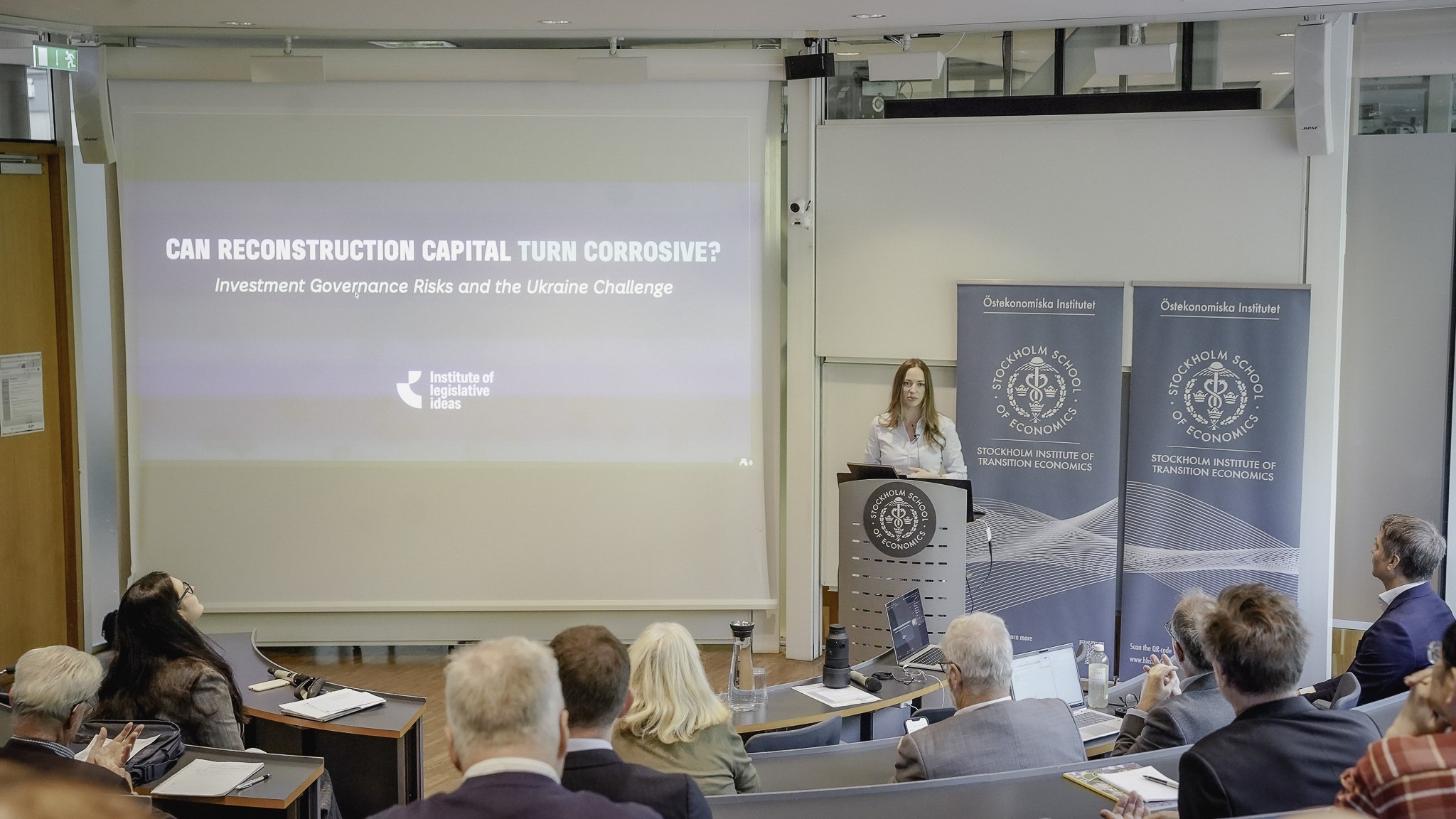
Tetiana Khutor, Chairwoman of the Institute of Legislative Ideas, presented Ukraine’s experience in countering corrosive capital and stressed the need to introduce a foreign investment screening system as an instrument of the country’s economic security. Drawing on the example of Russian capital in Ukraine, she explained why potential threats must be identified before investments begin to be used to influence strategic sectors and political processes.
“Sanctions are a reactive instrument that is difficult to apply once corrosive capital is already present in the country. That is why Ukraine needs an investment screening system that can identify risks in advance and prevent the entry of capital that may pose a threat to national security,” the ILI Chairwoman stressed.
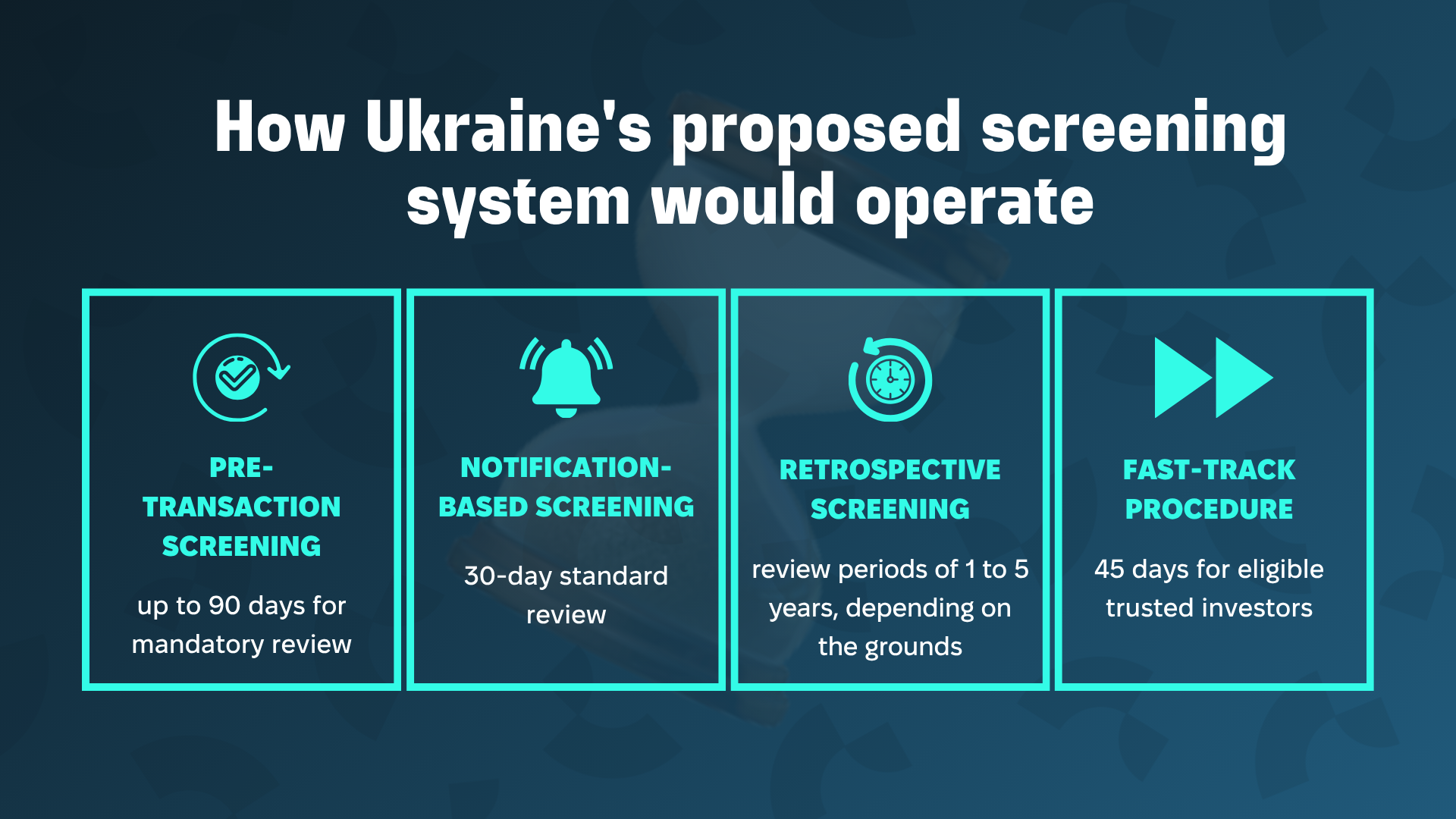
She added that investment screening should operate according to an “airport principle”: its purpose is not to obstruct economic flows, but to ensure the security of the investment environment. Most investors should undergo a standard check, while enhanced scrutiny should apply only where clear risk indicators are identified.
This approach underpins a new cooperation project between SITE and ILI. The Swedish Institute (SI) has funded the project “Corrosive Capital, Transparency and Ukraine’s EU Accession” (CCT-EU Ukraine), led by SITE in partnership with ILI. The project will run from December 2026 to December 2027 and aims to support Ukraine in developing a transparent and proportionate investment screening mechanism that protects its reconstruction and EU accession from corrosive capital.
Many of the issues the project will address were taken up during the panel discussion “From Reactive to Preventive: Building an Investment-Screening Architecture for Ukraine’s Reconstruction”. Experts discussed how to build an effective system for assessing investment risks by drawing on European experience while taking Ukraine’s specific circumstances into account.
The panel discussion was moderated by Anna Anisimova, Researcher at the Stockholm Institute of Transition Economics.
Anna Anisimova, who leads the project at SITE, explained why understanding the problem must come first.
“To prevent corrosive capital from shaping Ukraine’s recovery, we first need to understand how it works and the damage it can do. This project is about building that understanding and turning it into practical tools that protect Ukraine’s institutions,” she said.
Lars Henriksson, Professor of Law at the Stockholm School of Economics, noted that creating an effective foreign investment screening system is a complex task, as it is difficult to assess the potential risks of each transaction in advance.
“Foreign investment screening should not be seen as a quick fix. Designing an effective legal framework in this area is extremely difficult because it requires assessing the potential risks of each individual transaction,” he said.
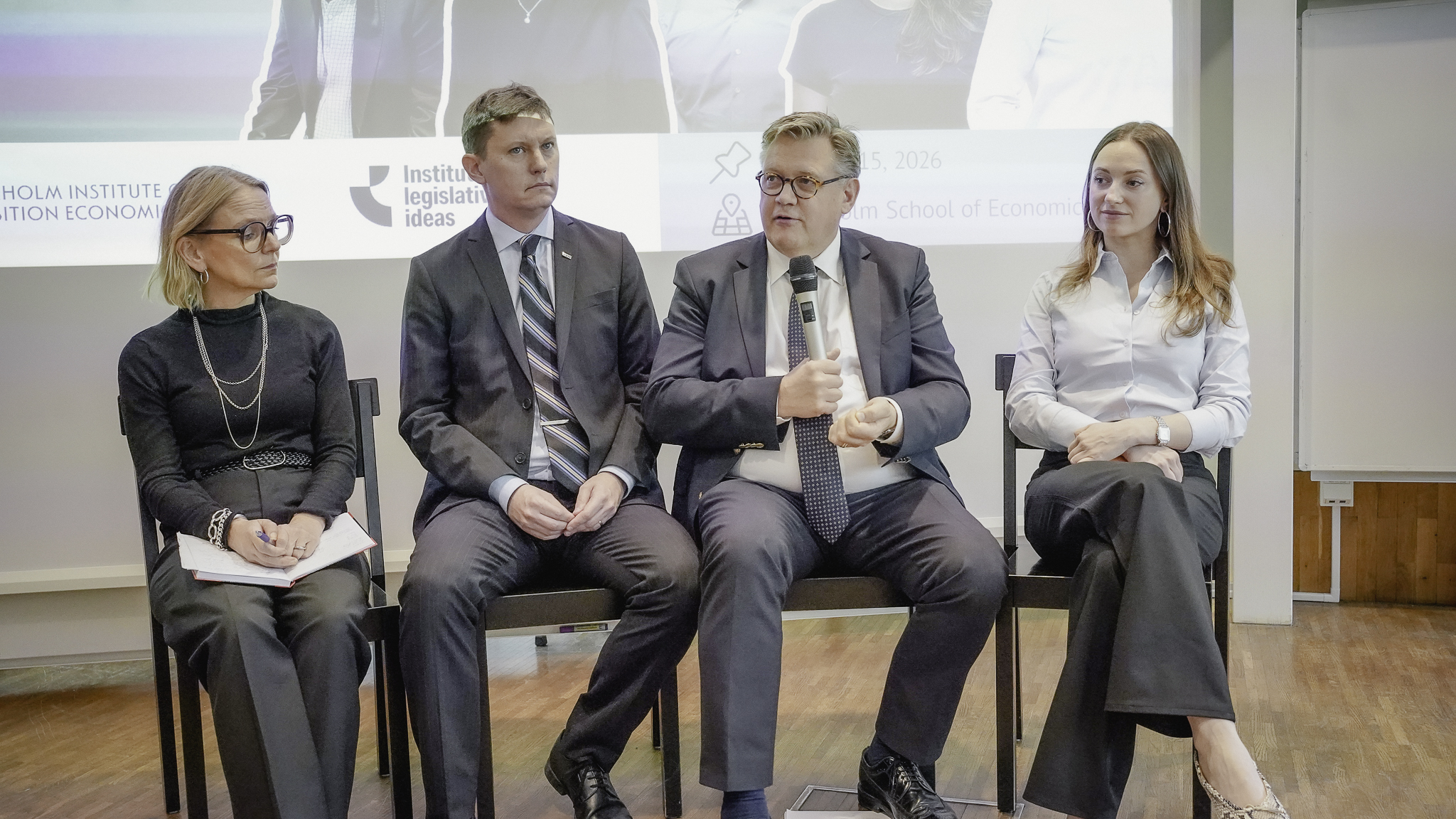
Gunnar Ihren, Group Manager of the Foreign Direct Investment (FDI) Unit at Sweden’s Inspectorate of Strategic Products, described Sweden’s experience in implementing a two-stage investment screening system.
“At the first stage, a decision is made within 21 working days on whether an investment requires an in-depth review. Around 95–98% of notifications pass this stage without further examination. If an investment presents potential risks to national security, it proceeds to further review,” Gunnar Ihren explained.
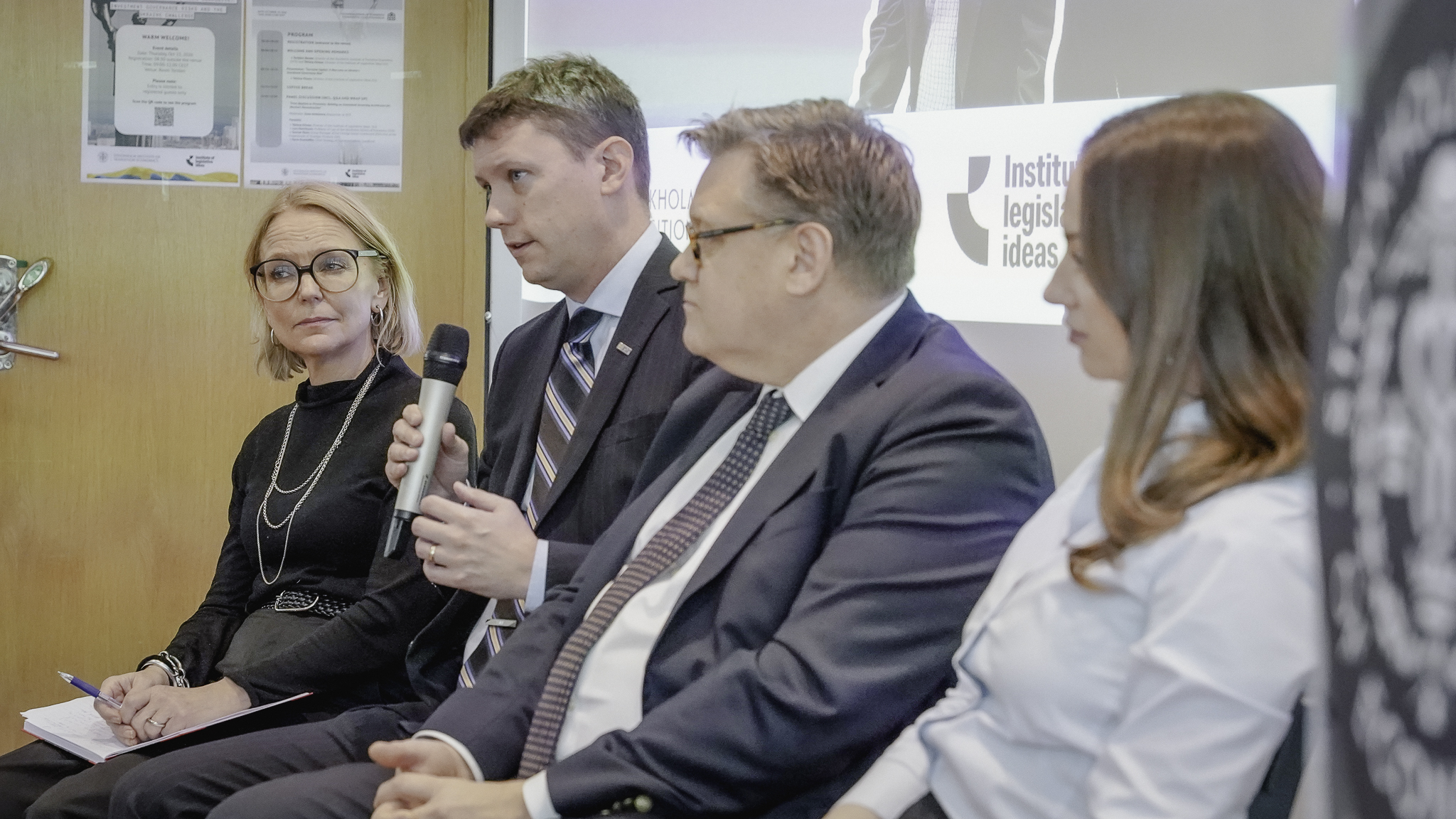
Karin Kronhöffer, Chief Strategy & Communications Officer at Swedfund, Sweden’s state-owned development finance institution, emphasised that investing in Ukraine during wartime requires particularly careful due diligence on companies, their owners and their partners.
“For us, it is extremely important to understand which companies we invest in and who their principal shareholders are. We adapt our approaches to the Ukrainian context and have dedicated financing specifically to support the resilience of the Ukrainian economy,” the Swedfund representative said.
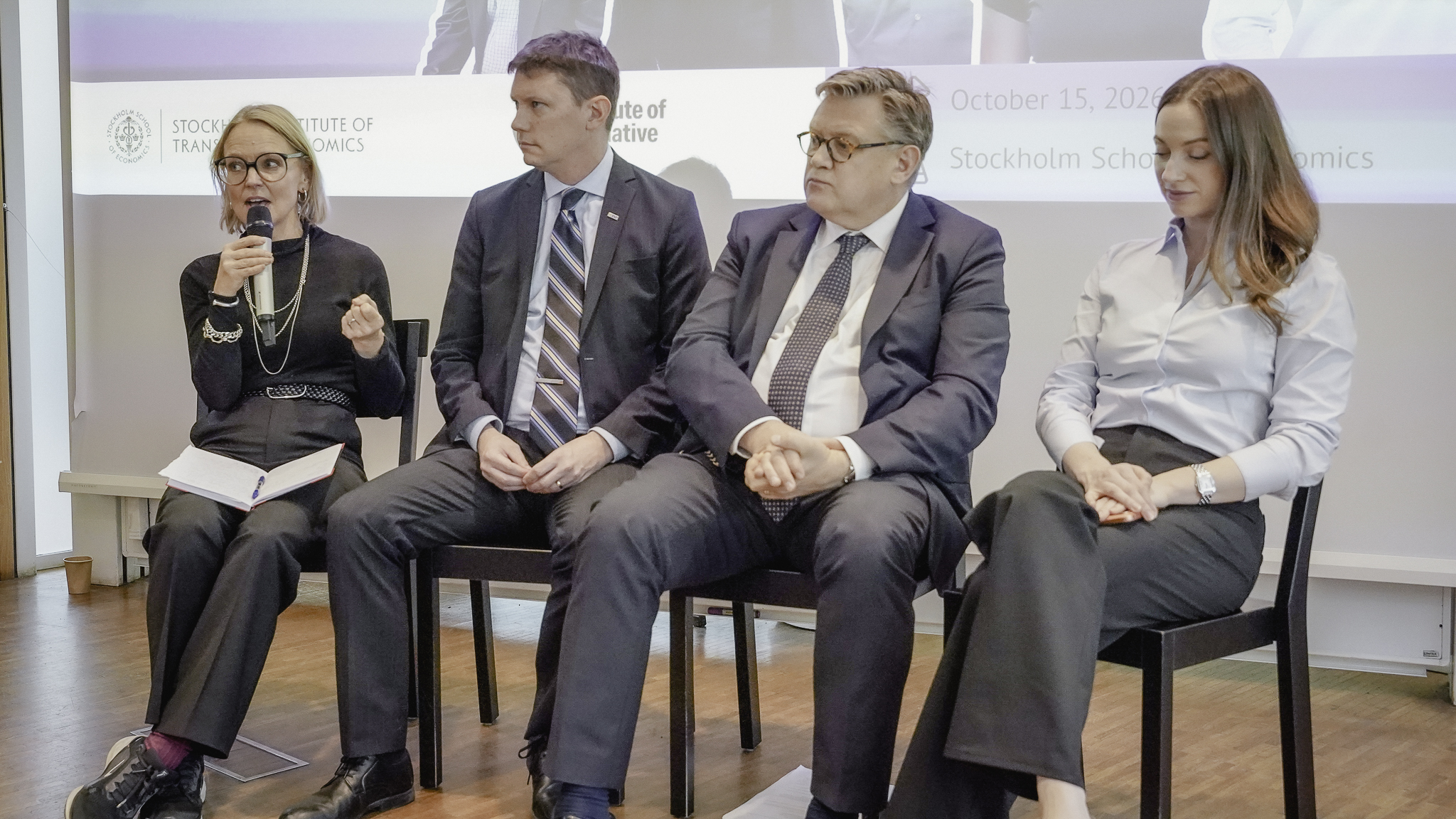
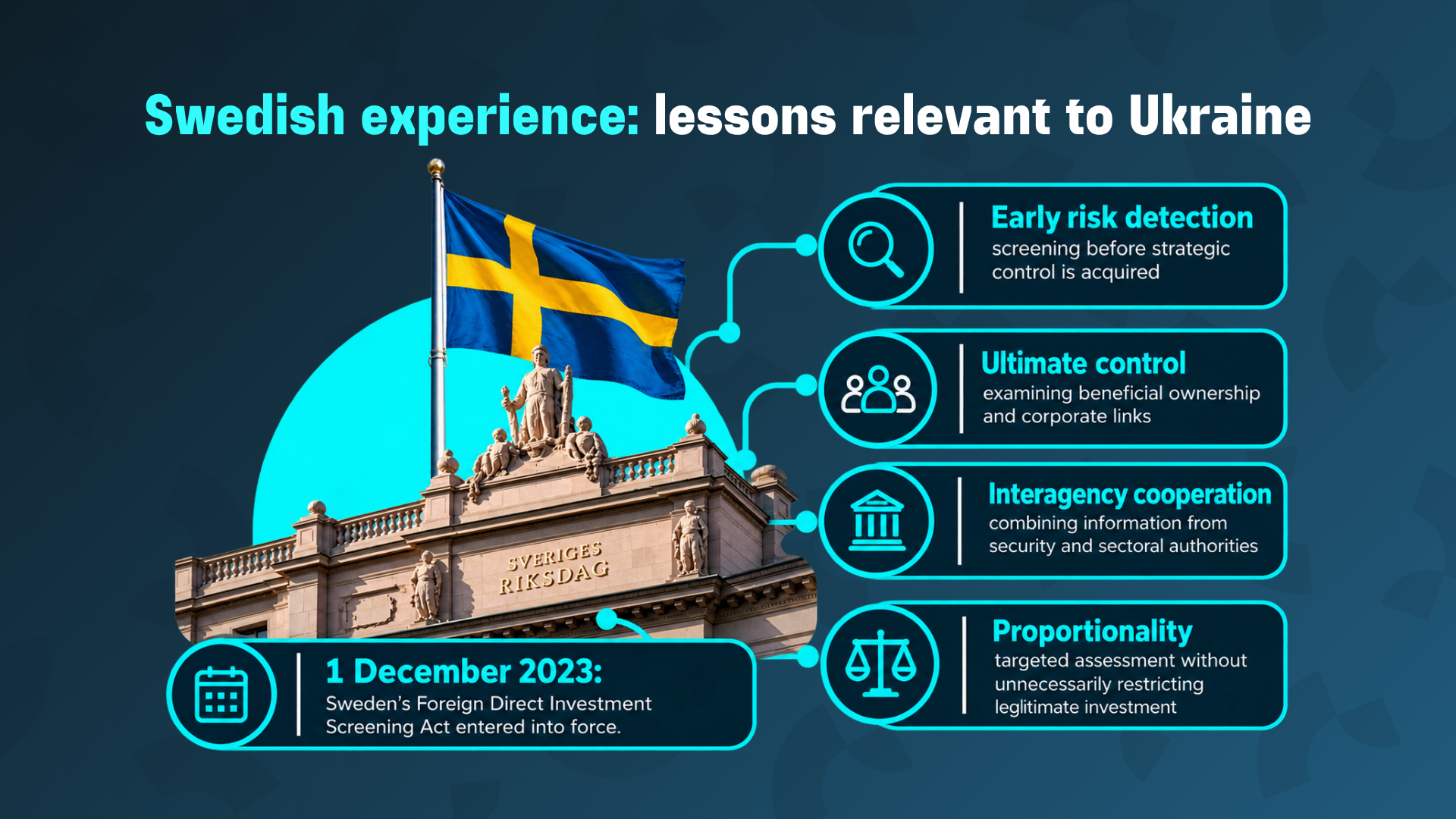
According to ILI Chairwoman Tetiana Khutor, investment screening in Ukraine should cover different forms of investment, take indirect links into account and help prevent risks that may arise through political arrangements.
“If we limit ourselves to foreign direct investment alone, we will overlook other ways in which an investor may influence strategic sectors. It is important for the legislation to cover as many investment instruments as possible and to be based not only on formal criteria, but also on the purpose of the regulation itself,” she said.
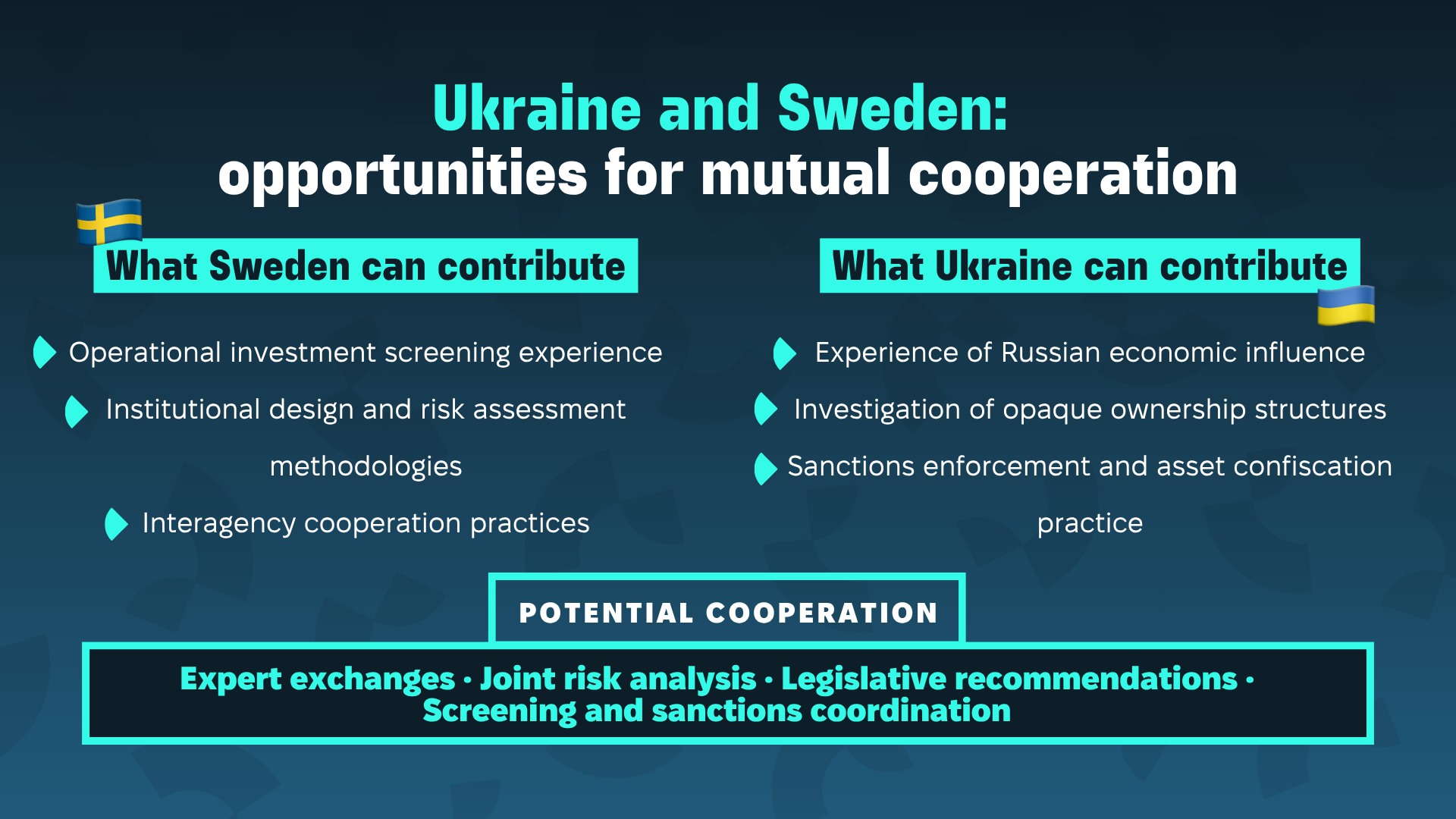
Sweden’s example can provide an important foundation for the development of Ukraine’s foreign investment screening system. ILI experts plan to use this leading experience and the outcomes of the discussion to inform legislative reform and prevent a repeat of Russia’s corrosive-capital influence in Ukraine. The risk of such investments being disguised as reconstruction funding remains very real.
Photo credit: Dominick Nilsson